Home / Heritage / Atelier

Atelier Chronograph 324.552 ‘Bleu sur Blanc’

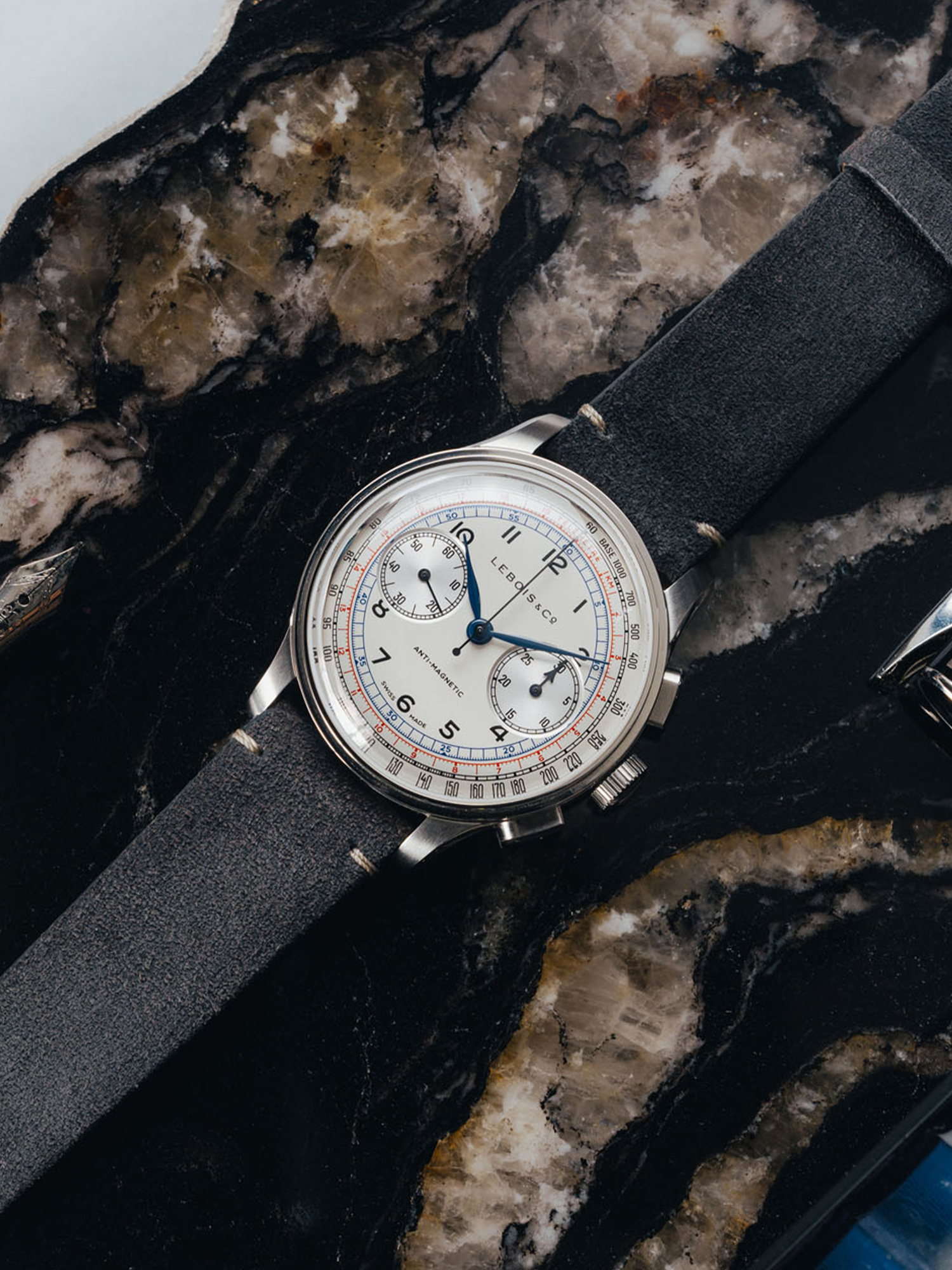
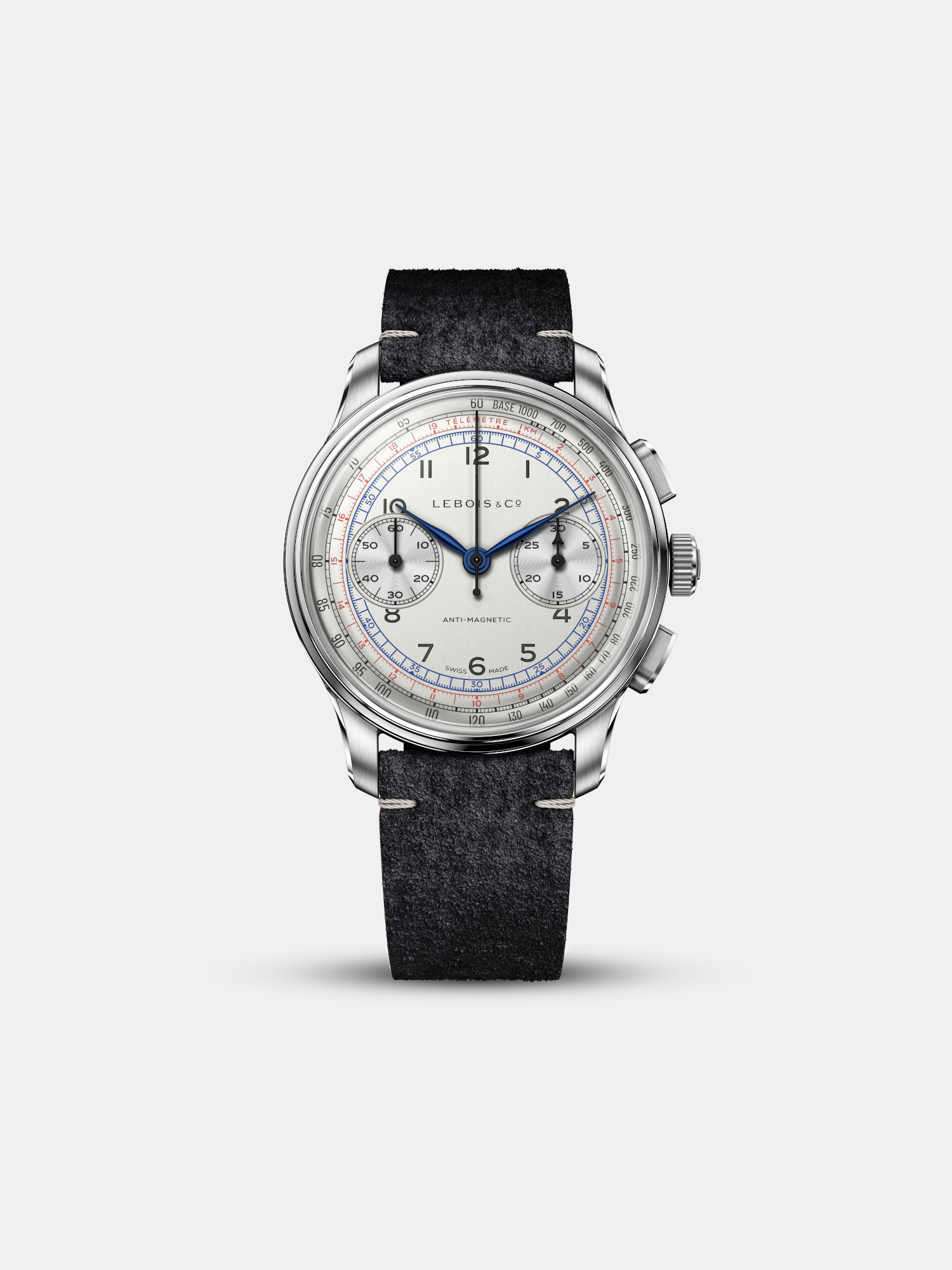
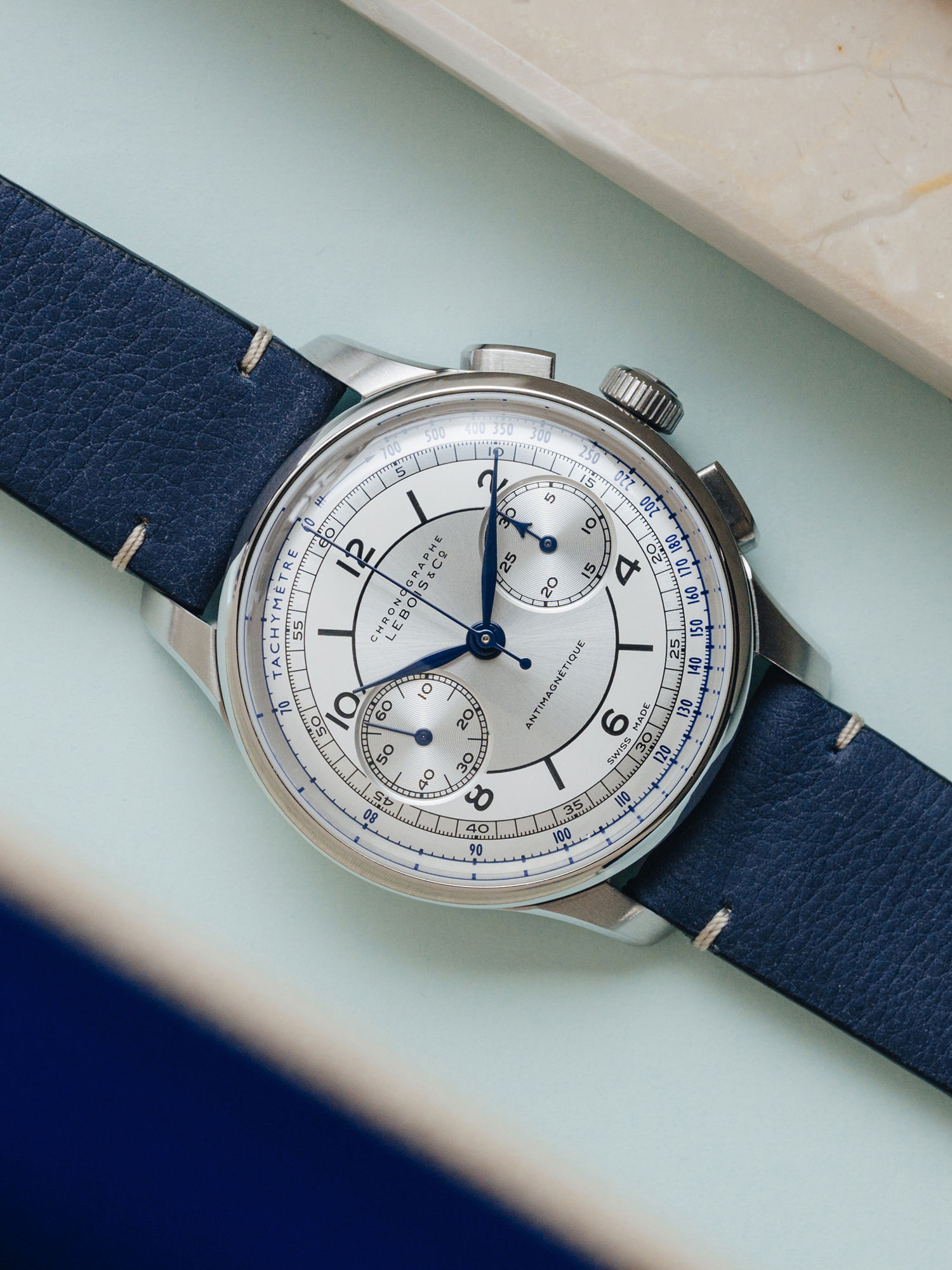
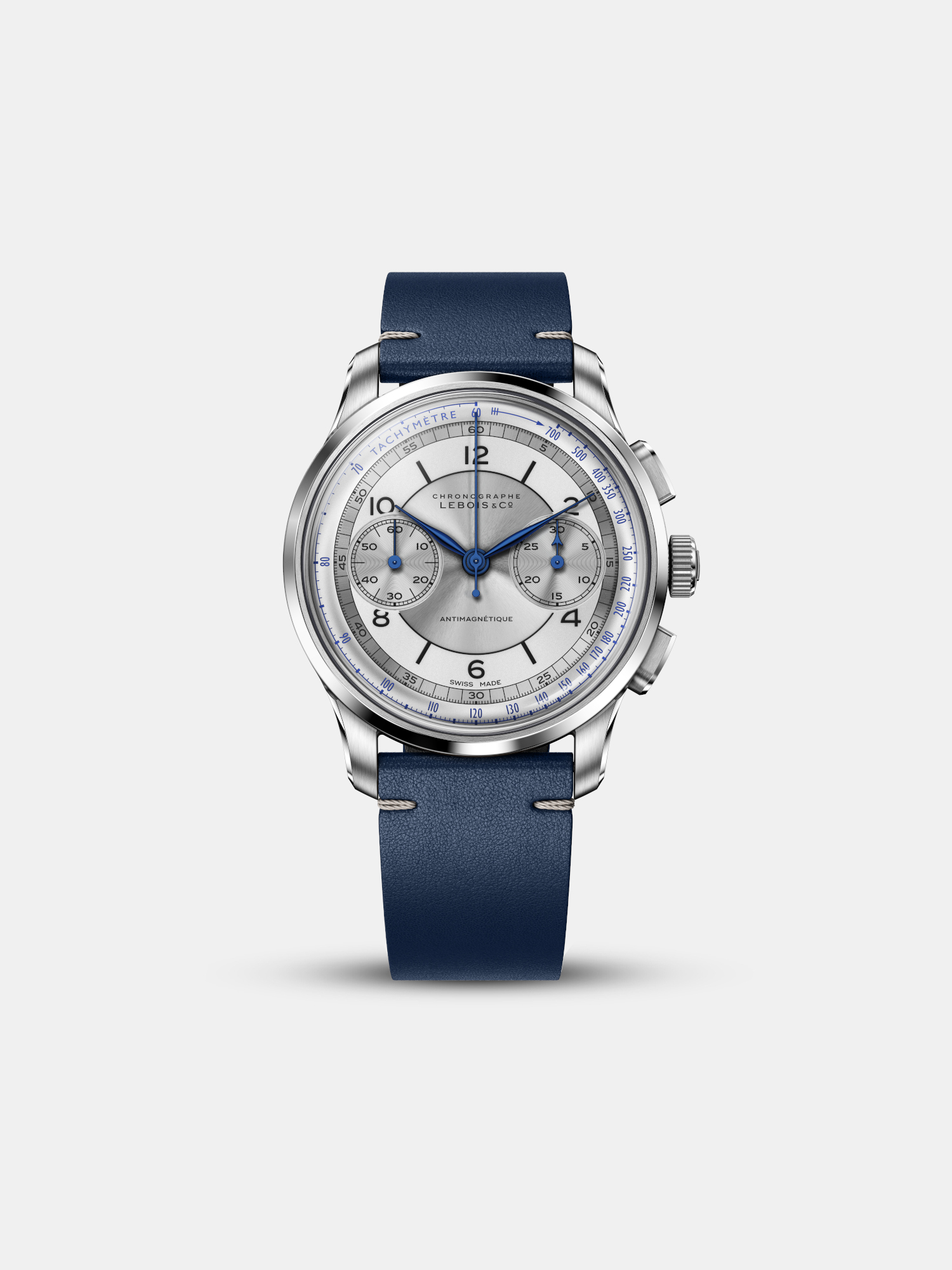
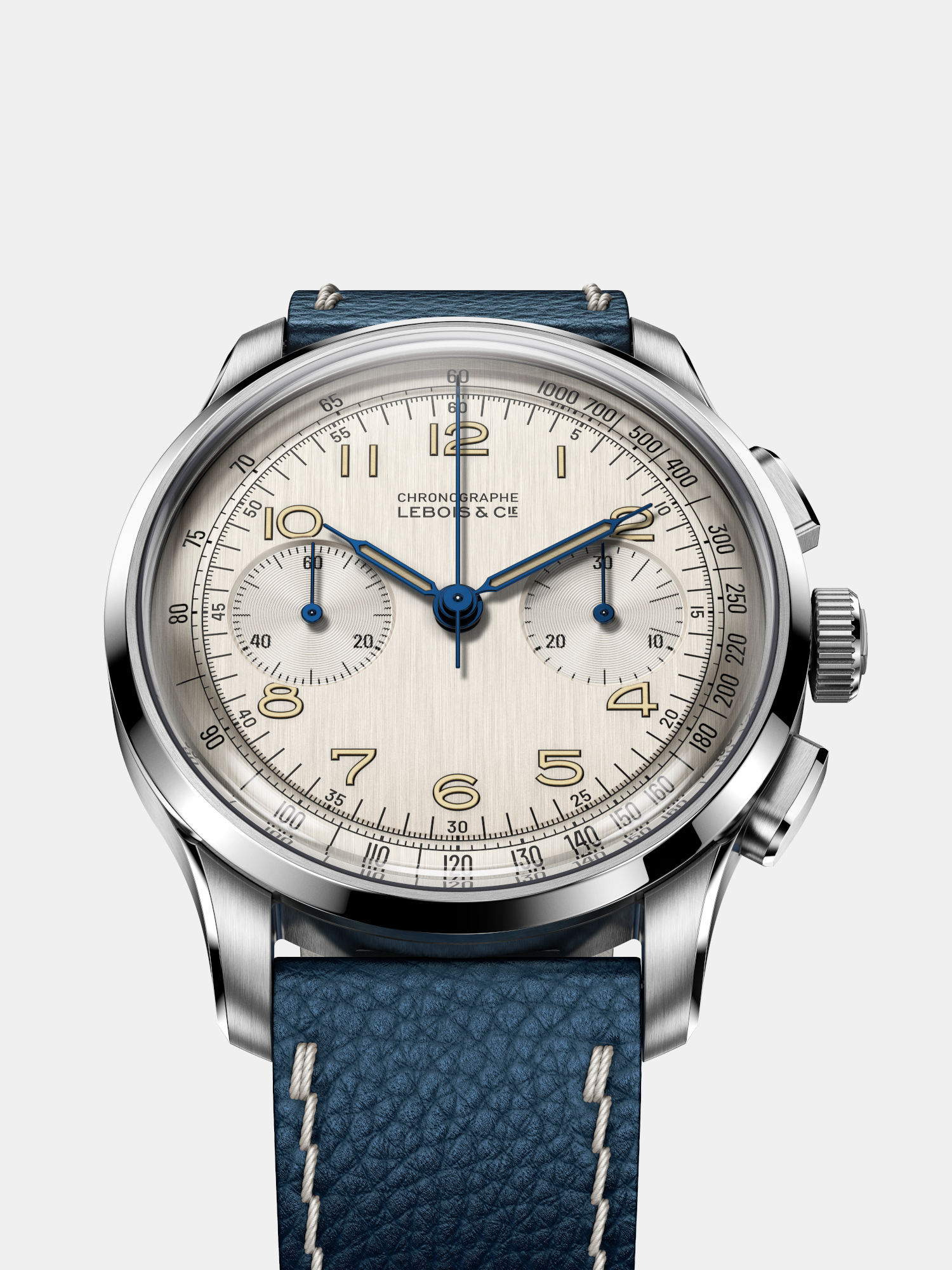
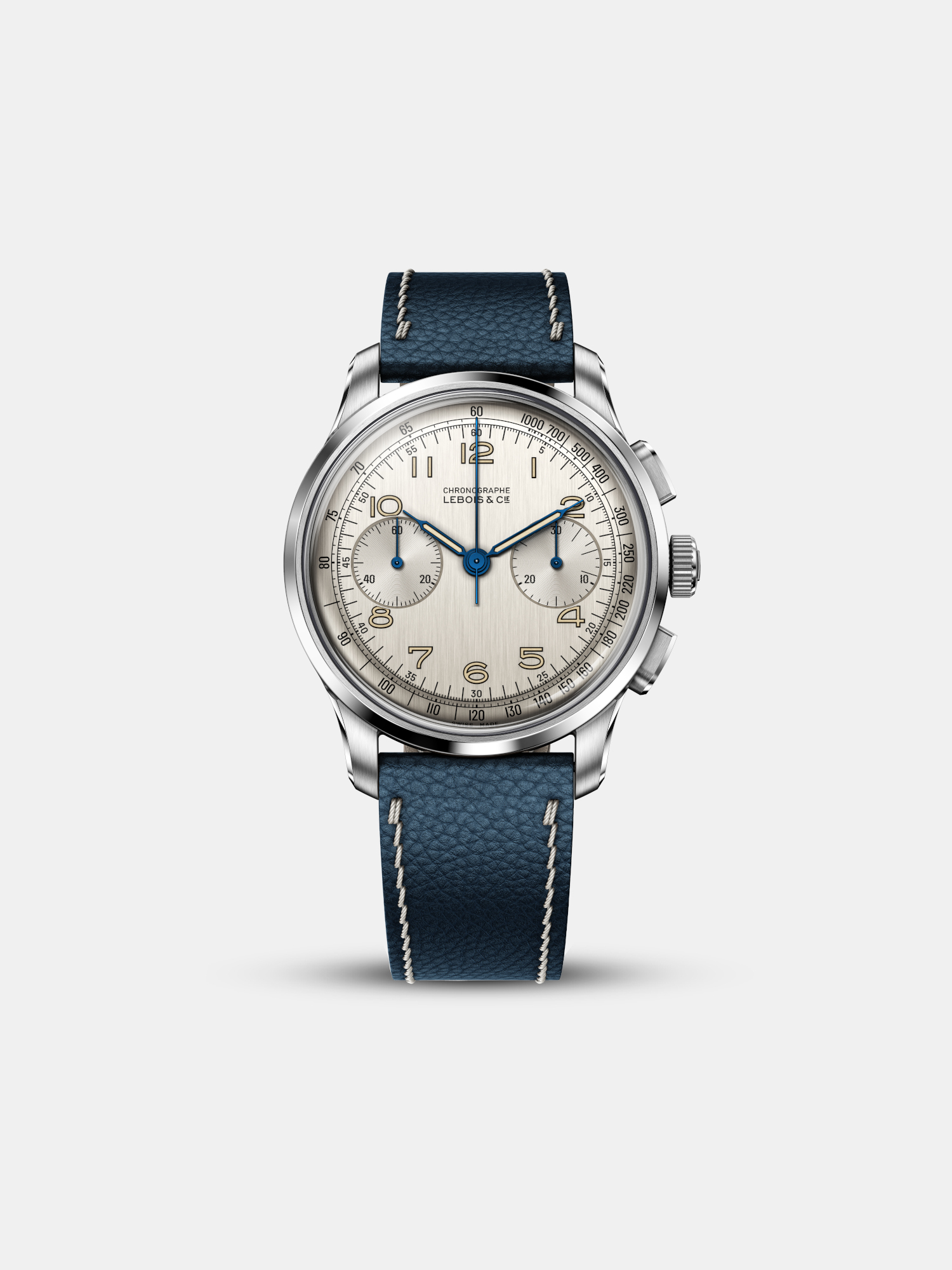
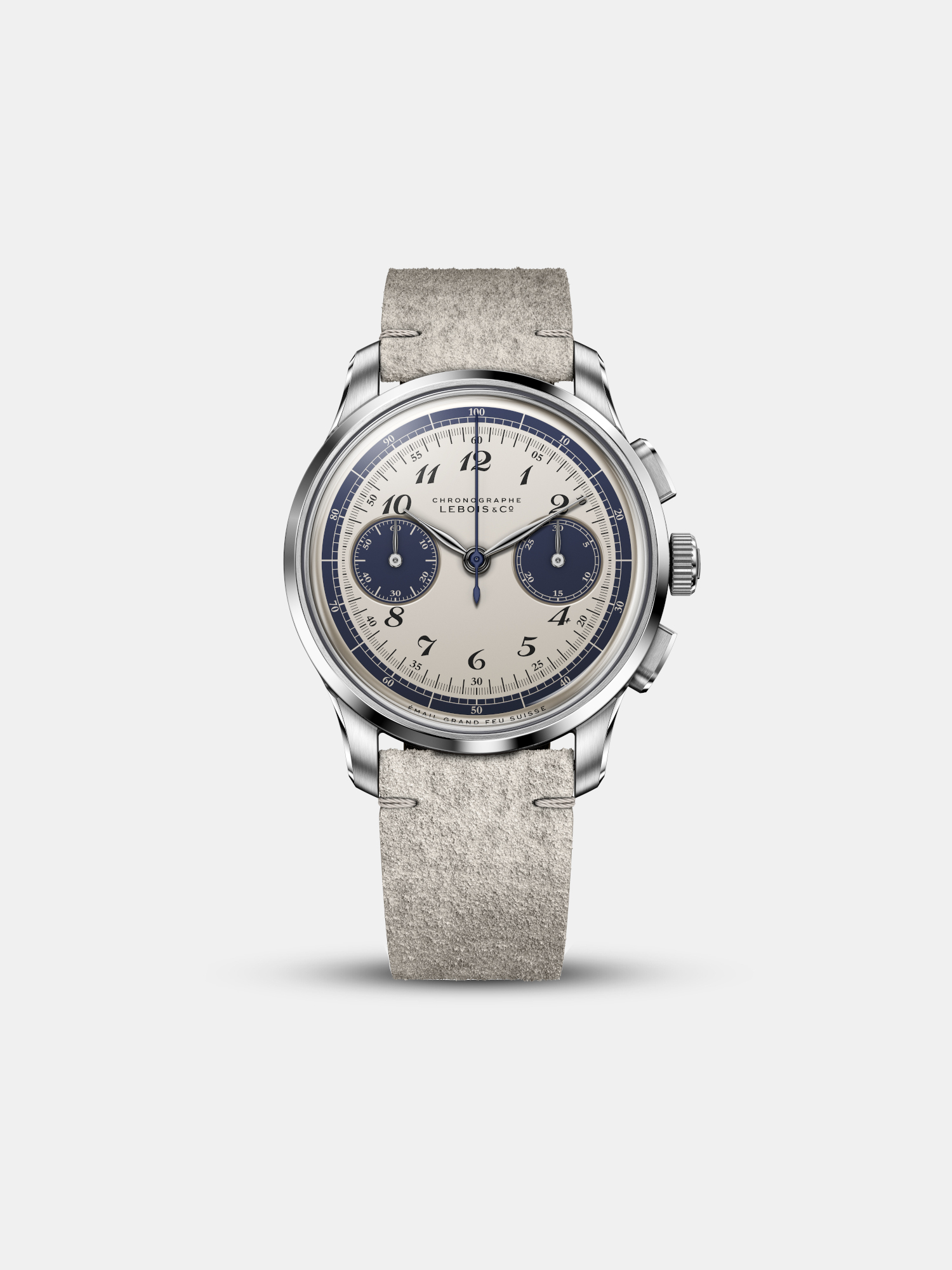
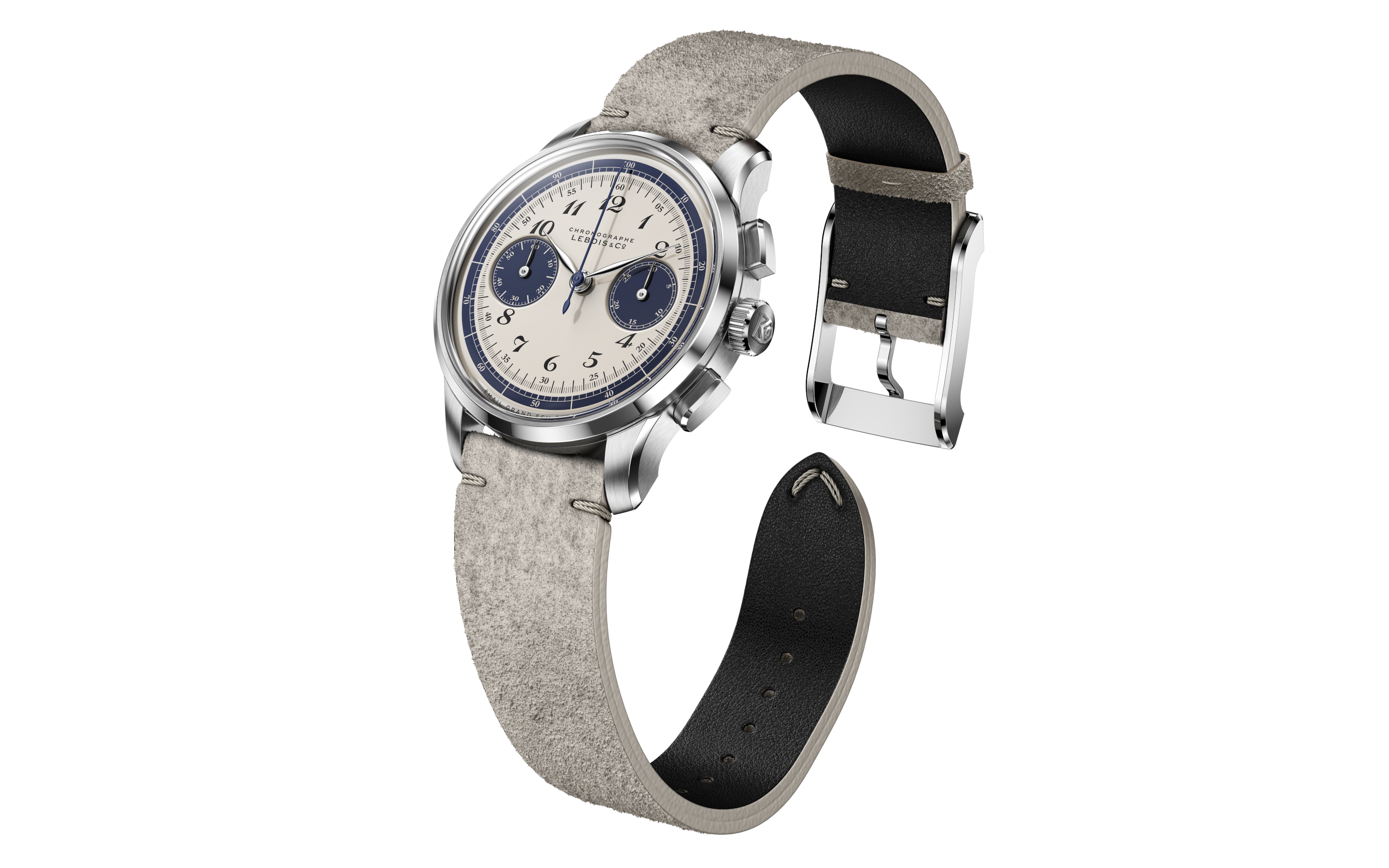
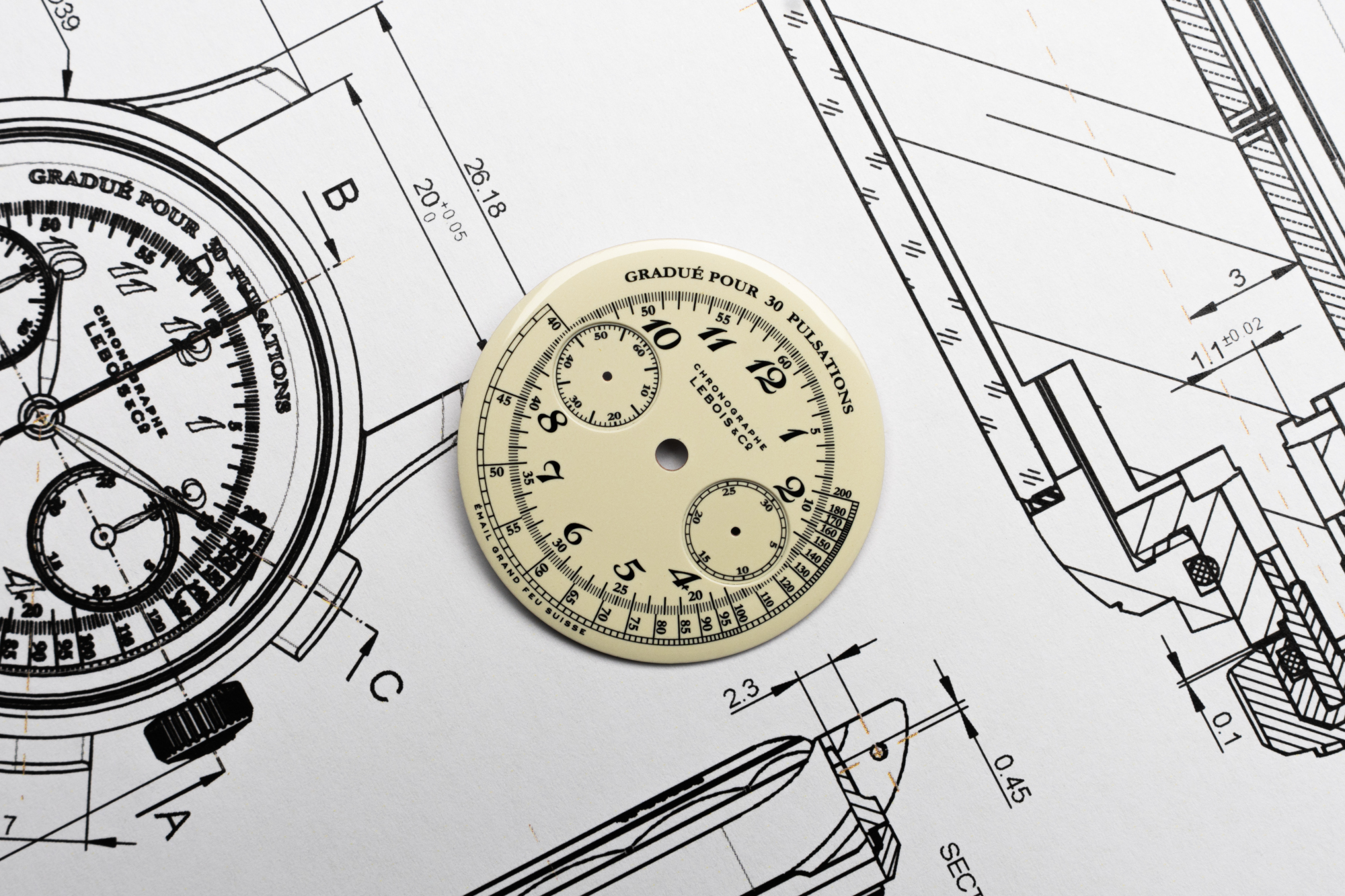
A crisp dialogue of blue on warm white Grand Feu enamel. The Heritage Atelier Chronograph ‘Bleu sur Blanc’ (ref. 324.552) pairs a luminous, handcrafted enamel dial with deep blue registers and a vintage-inspired decimal scale for intuitive timing. A craft-forward chronograph defined by restraint, texture, and precision.

Produced in limited numbers in 2026 only, subject to availability. Delivery from October 2026. Deliveries will be scheduled in the order in which confirmed orders are received.

 9800


Home / Heritage / Atelier

Atelier Chronograph 324.552 ‘Bleu sur Blanc’

A crisp dialogue of blue on warm white Grand Feu enamel. The Heritage Atelier Chronograph ‘Bleu sur Blanc’ (ref. 324.552) pairs a luminous, handcrafted enamel dial with deep blue registers and a vintage-inspired decimal scale for intuitive timing. A craft-forward chronograph defined by restraint, texture, and precision.

Produced in limited numbers in 2026 only, subject to availability. Delivery from October 2026. Deliveries will be scheduled in the order in which confirmed orders are received.

 9800


DESCRIPTION

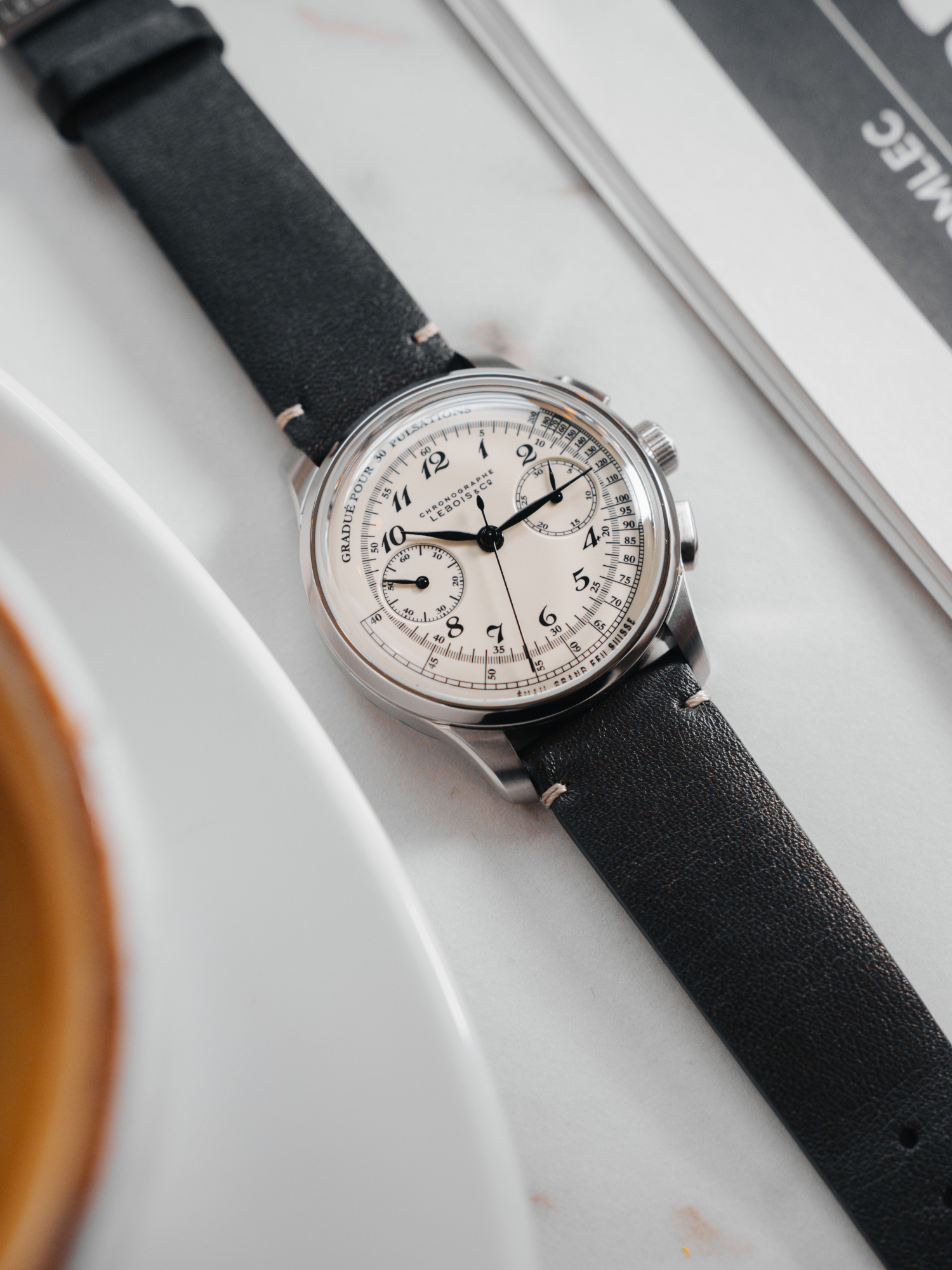
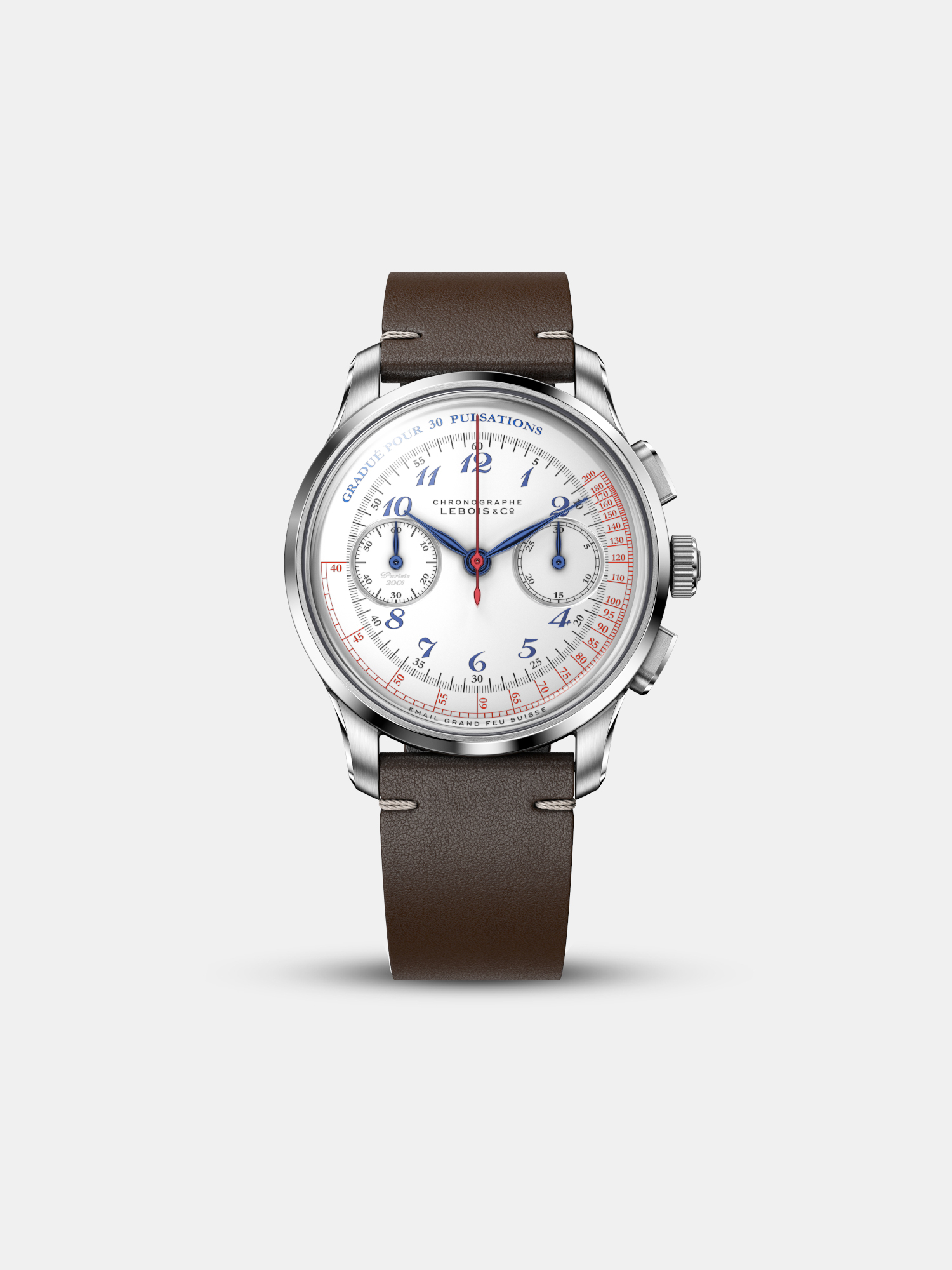
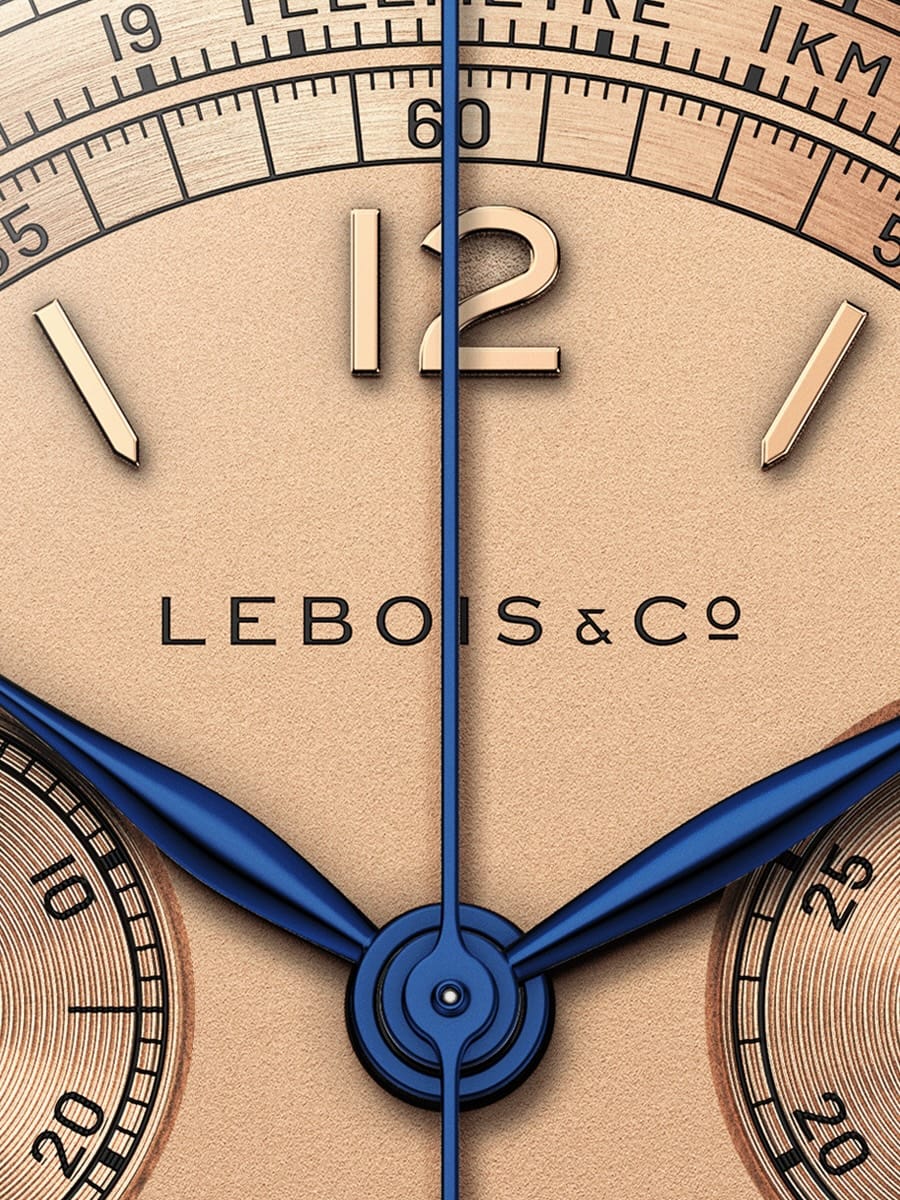
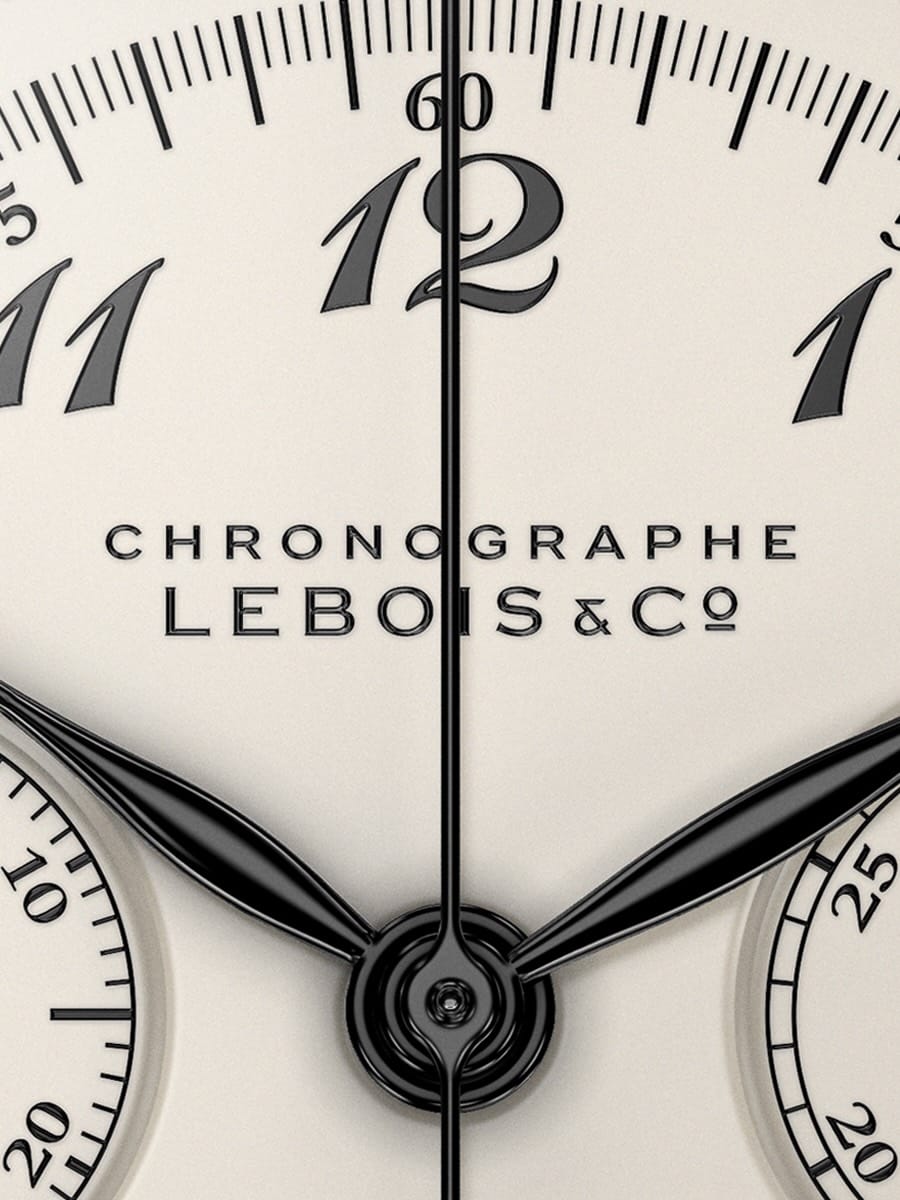
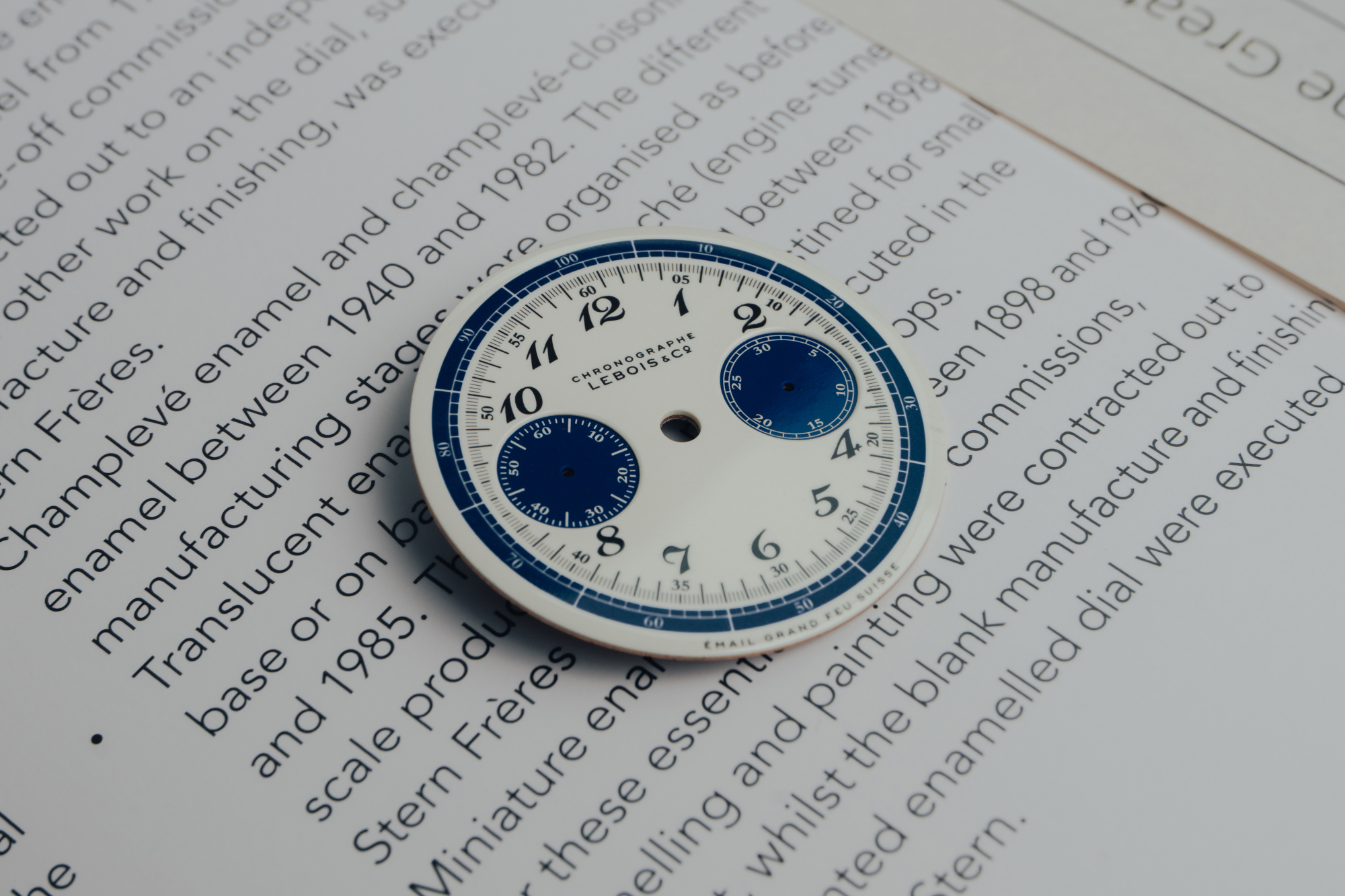
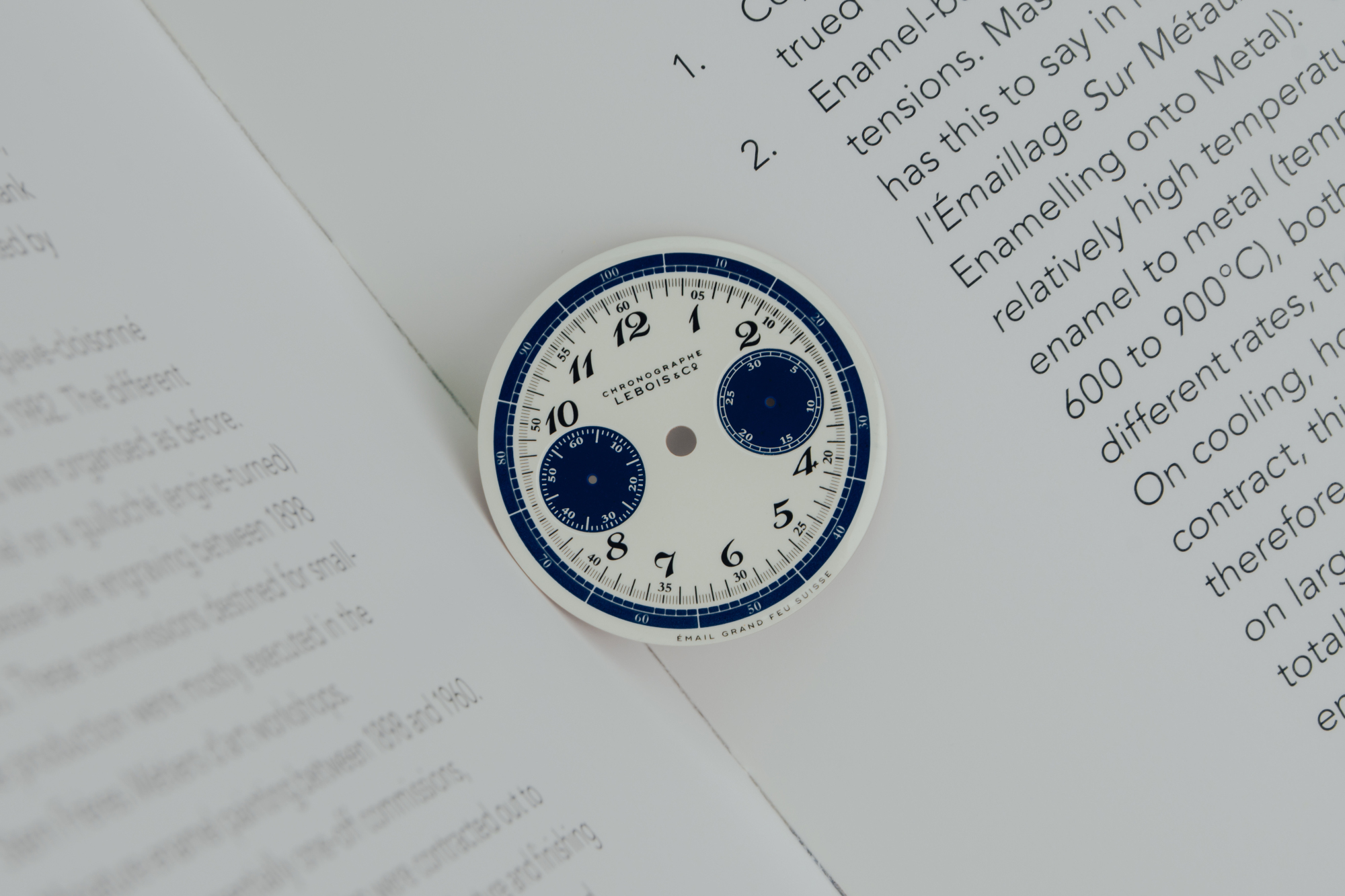
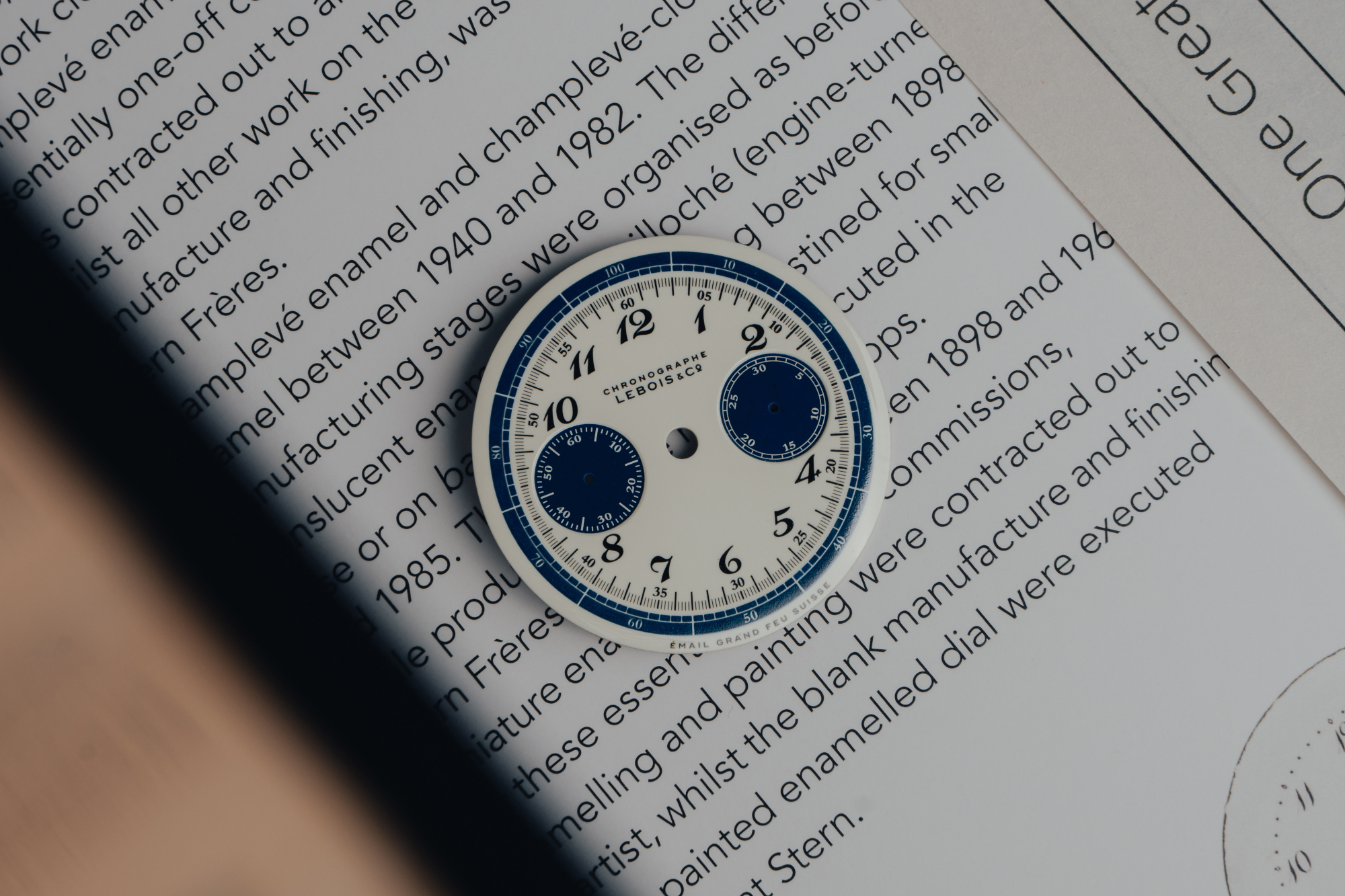
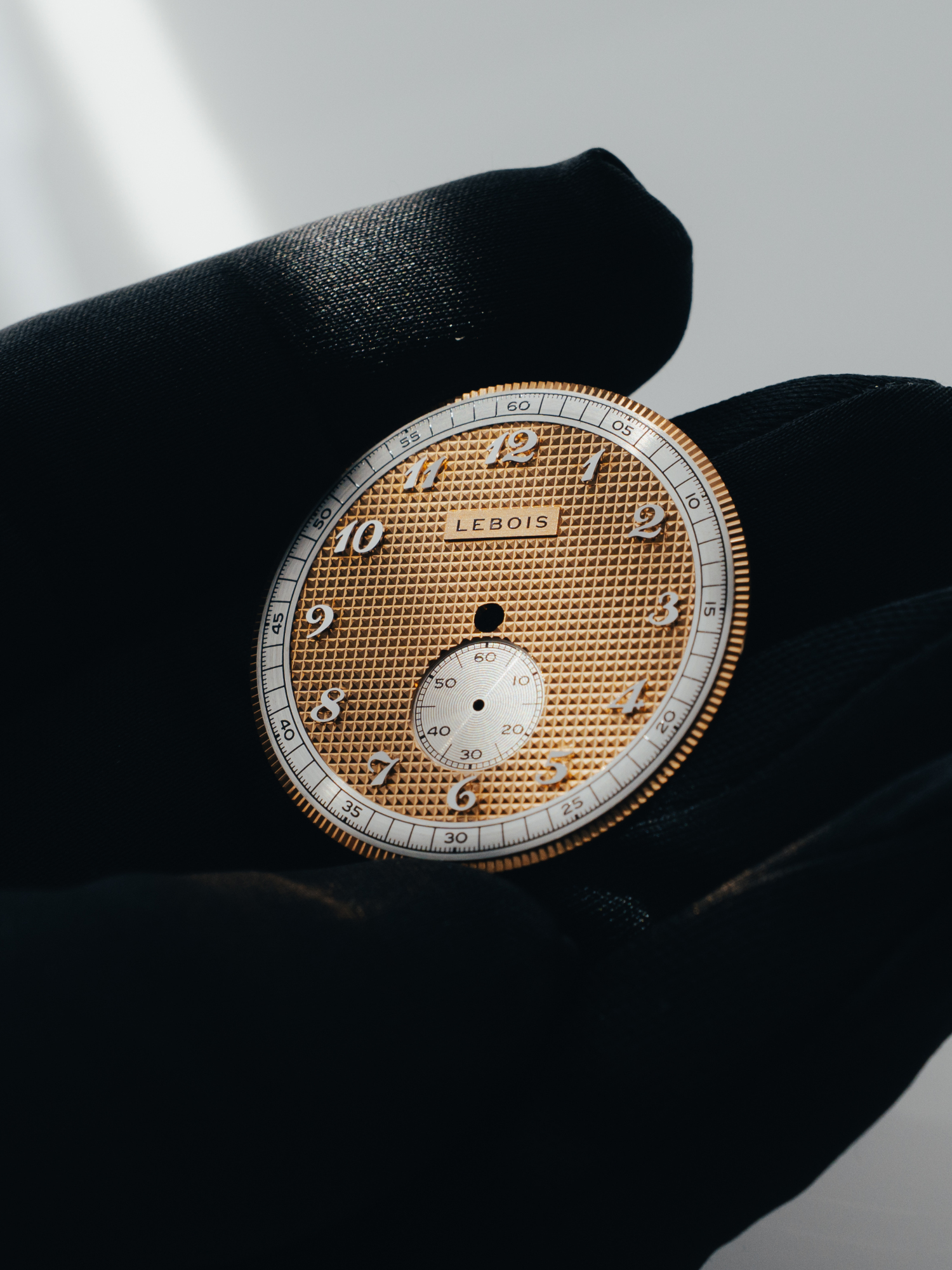
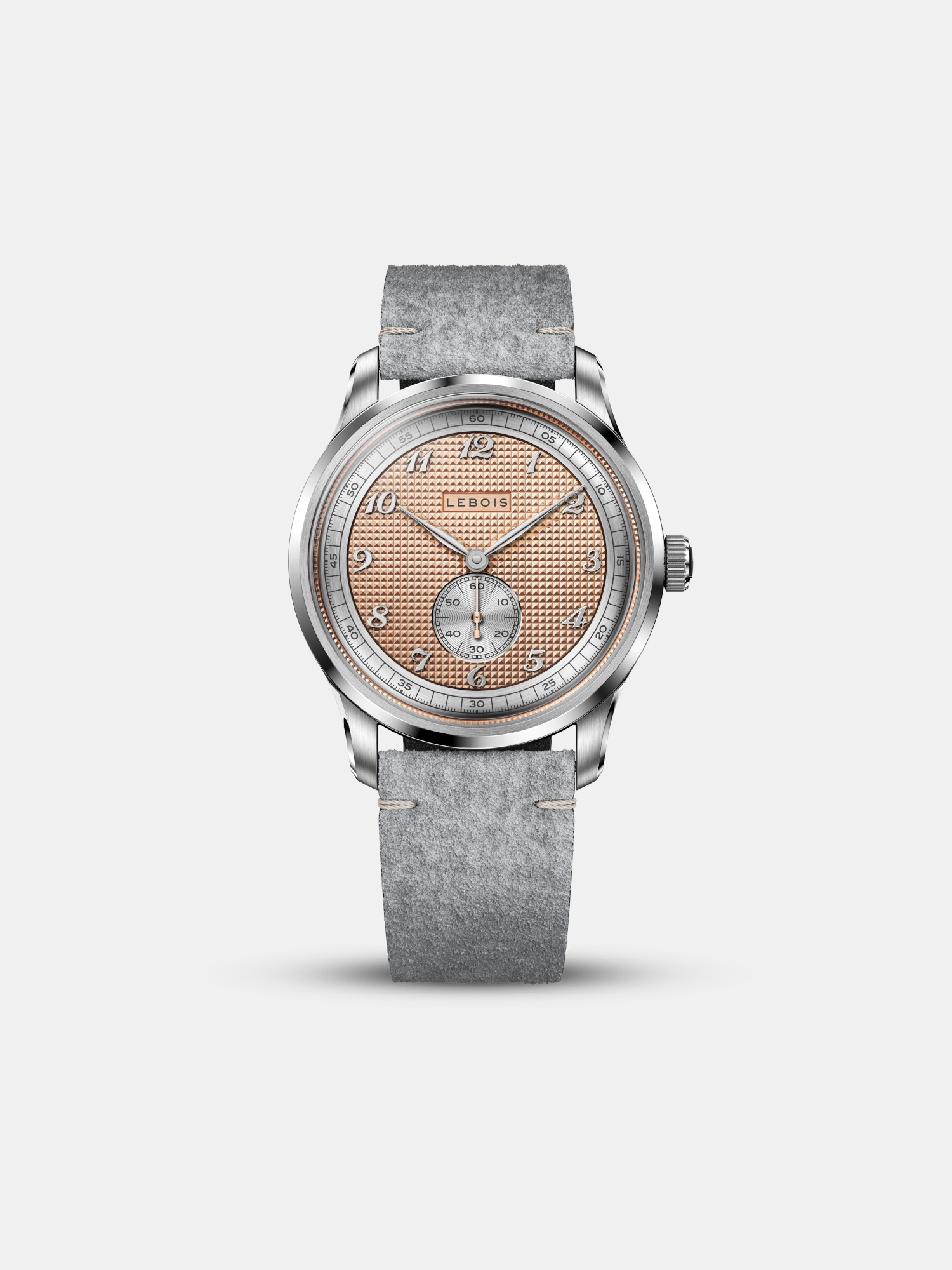
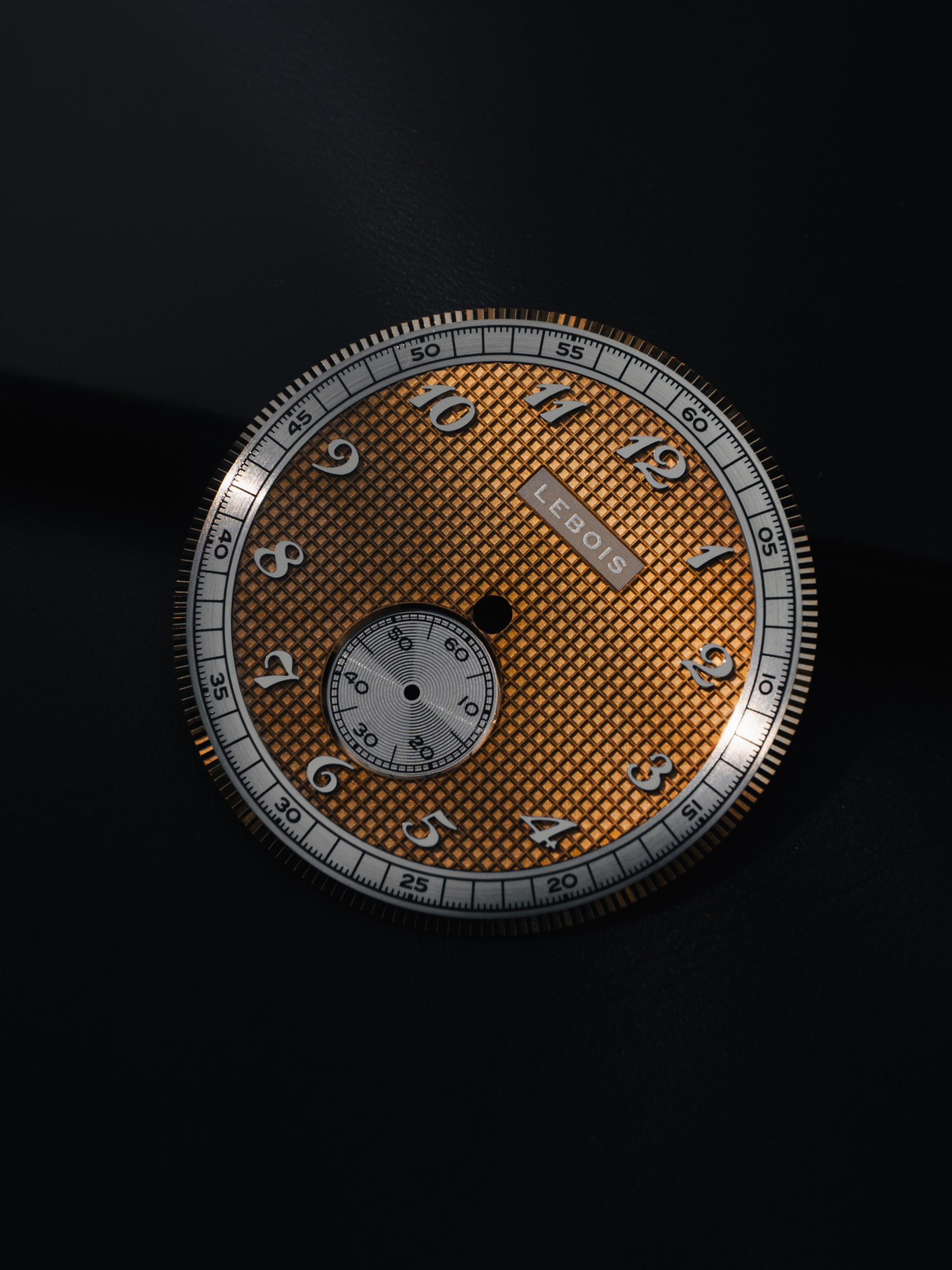
In Atelier, Lebois & Co explores the craft-forward side of the Heritage collection: smaller-batch creations where dial artistry leads the story. The Heritage Atelier Chronograph ‘Bleu sur Blanc’ (ref. 324.552) is built around a rare centerpiece: a Swiss Made Grand Feu enamel dial, fired at high temperature to achieve a surface that feels alive, subtly warm, never flat, and constantly shifting with the light. Executed in a three-piece construction with a gently domed enamel main surface, it adds depth that only reveals itself up close.

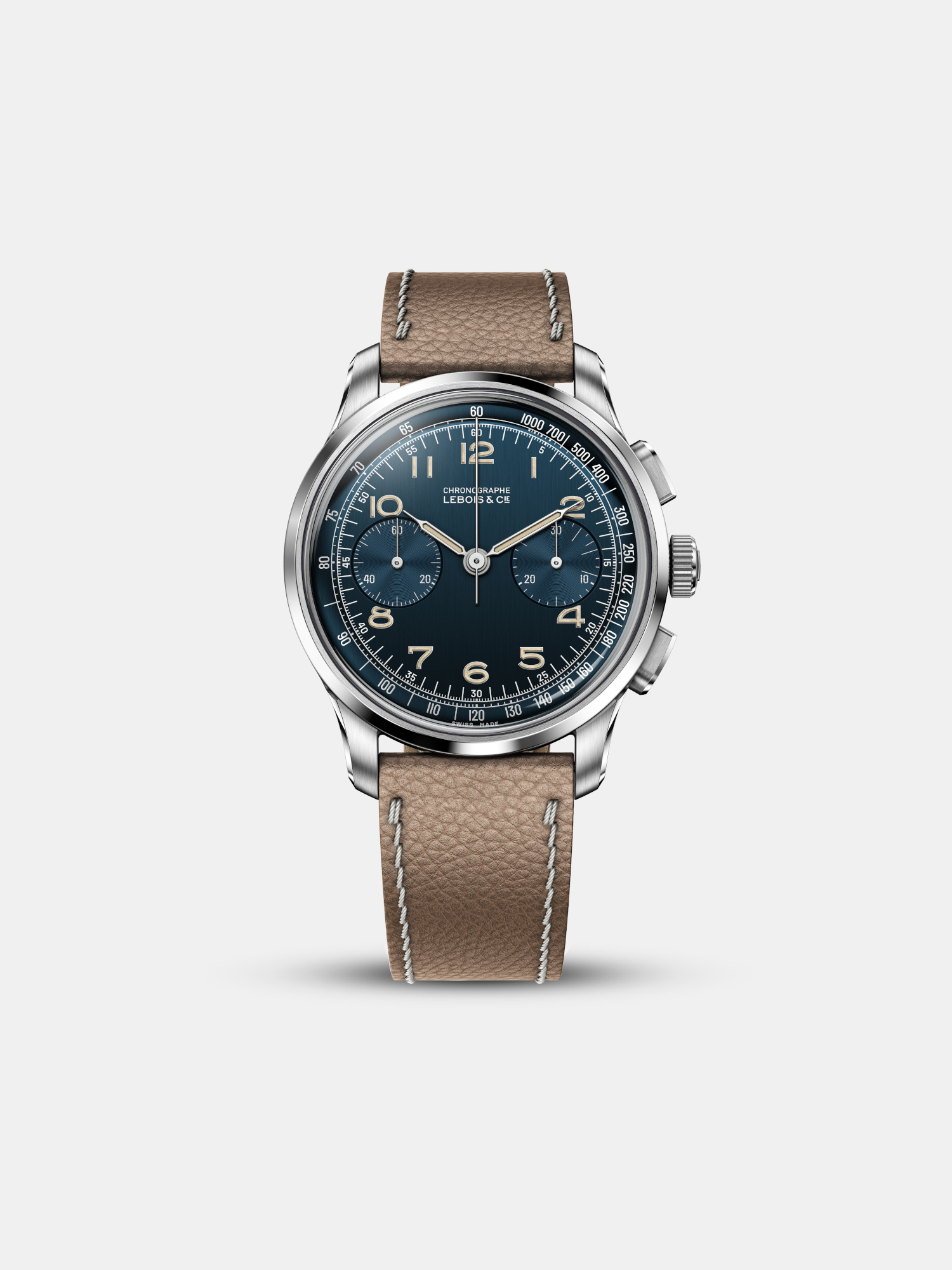
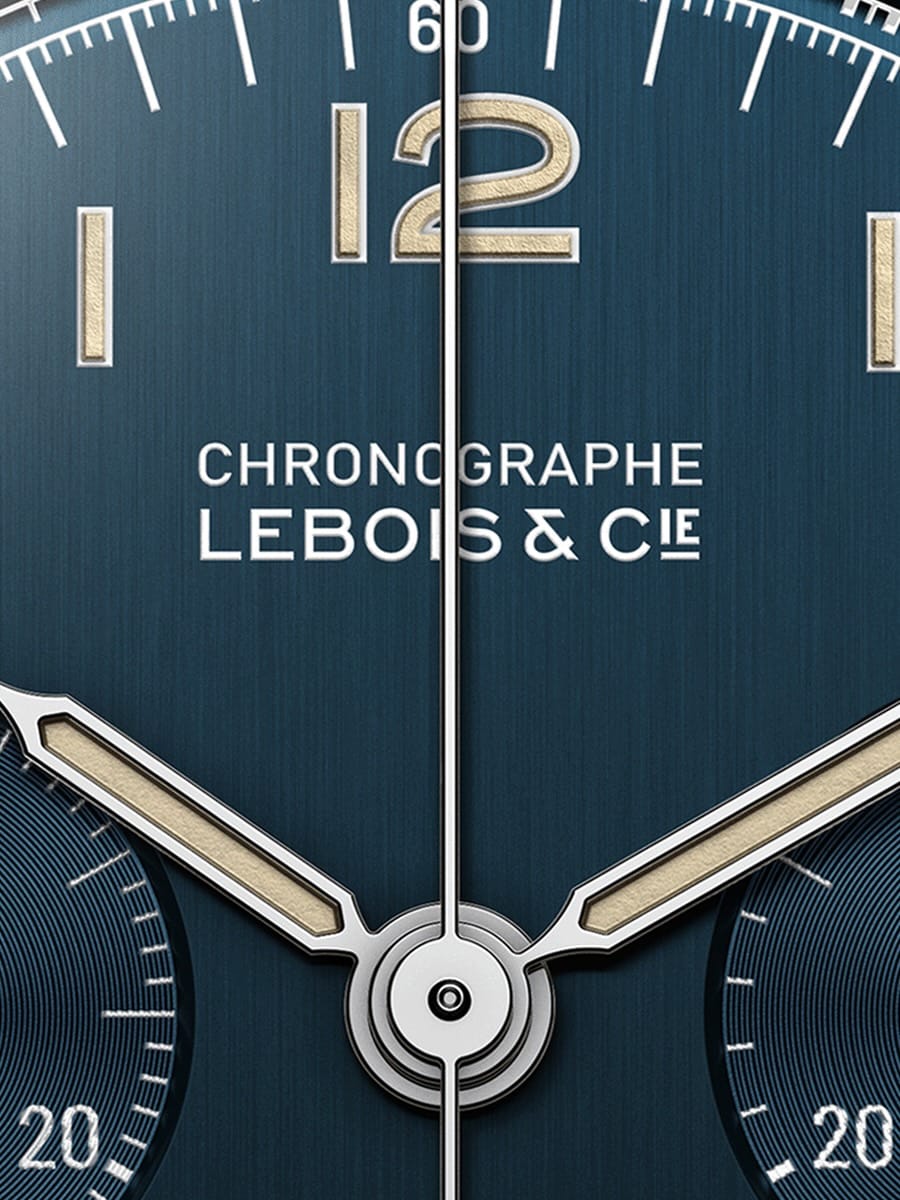
The palette is deliberately pure. A soft off-white enamel base, positioned between the eggshell nuance of Coquille d’œuf and the brighter white character of earlier enamel executions, sets the stage for deep blue registers that bring contrast, depth, and legibility without breaking the calm. It is “blue on white” in the most literal sense, yet unmistakably Atelier: quiet refinement with collector-grade detail.

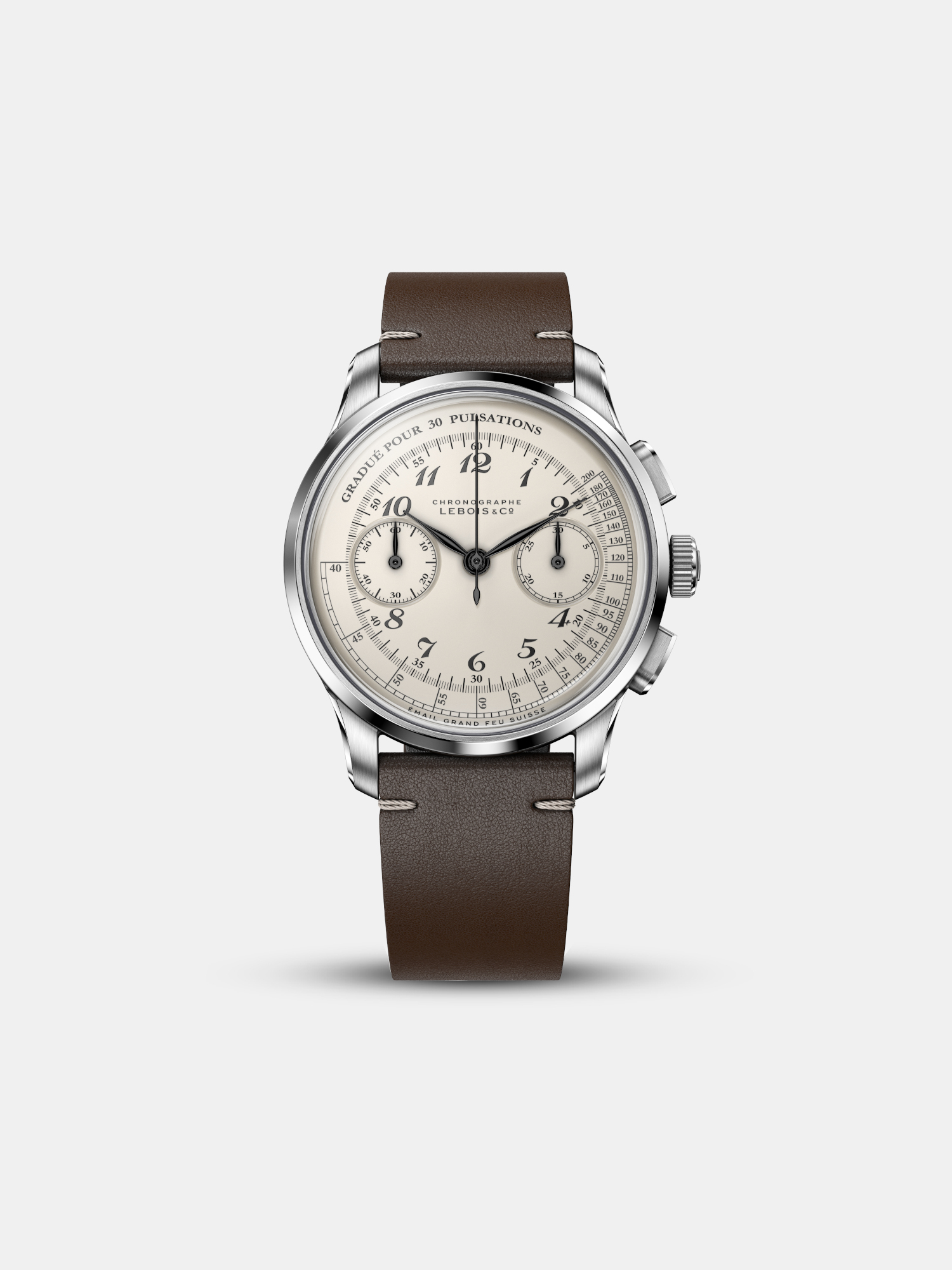
Instead of a tachymeter or telemeter, the 324.552 features a decimal scale, a classic, functional choice rooted in mid-century tool chronographs and designed to translate time into decimals. The minute is divided into 100 units around the dial, allowing readings to the hundredth of a minute. It is timing made clear: precise, readable, and purpose-driven.

The result is a chronograph that is not about loud reinvention, but about finish, proportion, and nuance, a watch that rewards a second look, and then a third. This is the Atelier philosophy distilled: traditional technique, modern discipline, and a dial that can only be made by hand.


In Atelier, Lebois & Co explores the craft-forward side of the Heritage collection: smaller-batch creations where dial artistry leads the story. The Heritage Atelier Chronograph ‘Bleu sur Blanc’ (ref. 324.552) is built around a rare centerpiece: a Swiss Made Grand Feu enamel dial, fired at high temperature to achieve a surface that feels alive, subtly warm, never flat, and constantly shifting with the light. Executed in a three-piece construction with a gently domed enamel main surface, it adds depth that only reveals itself up close.

The palette is deliberately pure. A soft off-white enamel base, positioned between the eggshell nuance of Coquille d’œuf and the brighter white character of earlier enamel executions, sets the stage for deep blue registers that bring contrast, depth, and legibility without breaking the calm. It is “blue on white” in the most literal sense, yet unmistakably Atelier: quiet refinement with collector-grade detail.

Instead of a tachymeter or telemeter, the 324.552 features a decimal scale, a classic, functional choice rooted in mid-century tool chronographs and designed to translate time into decimals. The minute is divided into 100 units around the dial, allowing readings to the hundredth of a minute. It is timing made clear: precise, readable, and purpose-driven.

The result is a chronograph that is not about loud reinvention, but about finish, proportion, and nuance, a watch that rewards a second look, and then a third. This is the Atelier philosophy distilled: traditional technique, modern discipline, and a dial that can only be made by hand.


MATERIAL


DIAMETER


THICKNESS


CASEBACK


CRYSTALS


LUG-TO-LUG


LUG WIDTH


WATER RESISTANCE


316L STAINLESS STEEL


39 MM


10,9 MM / 14,3 MM


SCREWED DOWN


DOUBLE DOMED SAPPHIRE


47,35 MM


20 MM


5 ATM / 50 M


MATERIAL


DIAMETER


THICKNESS


CASEBACK


CRYSTALS


LUG-TO-LUG


LUG WIDTH


WATER RESISTANCE


316L STAINLESS STEEL


39 MM


14,3 MM (10,9 MM W/O CRYSTAL)


SCREWED DOWN


DOUBLE DOMED SAPPHIRE WITH AR COATING INSIDE


47,35 MM


20 MM


5 ATM / 50 M


CALIBER


TYPE


WINDING


CHRONOGRAPH


POWER RESERVE


VIBRATIONS


JEWELS


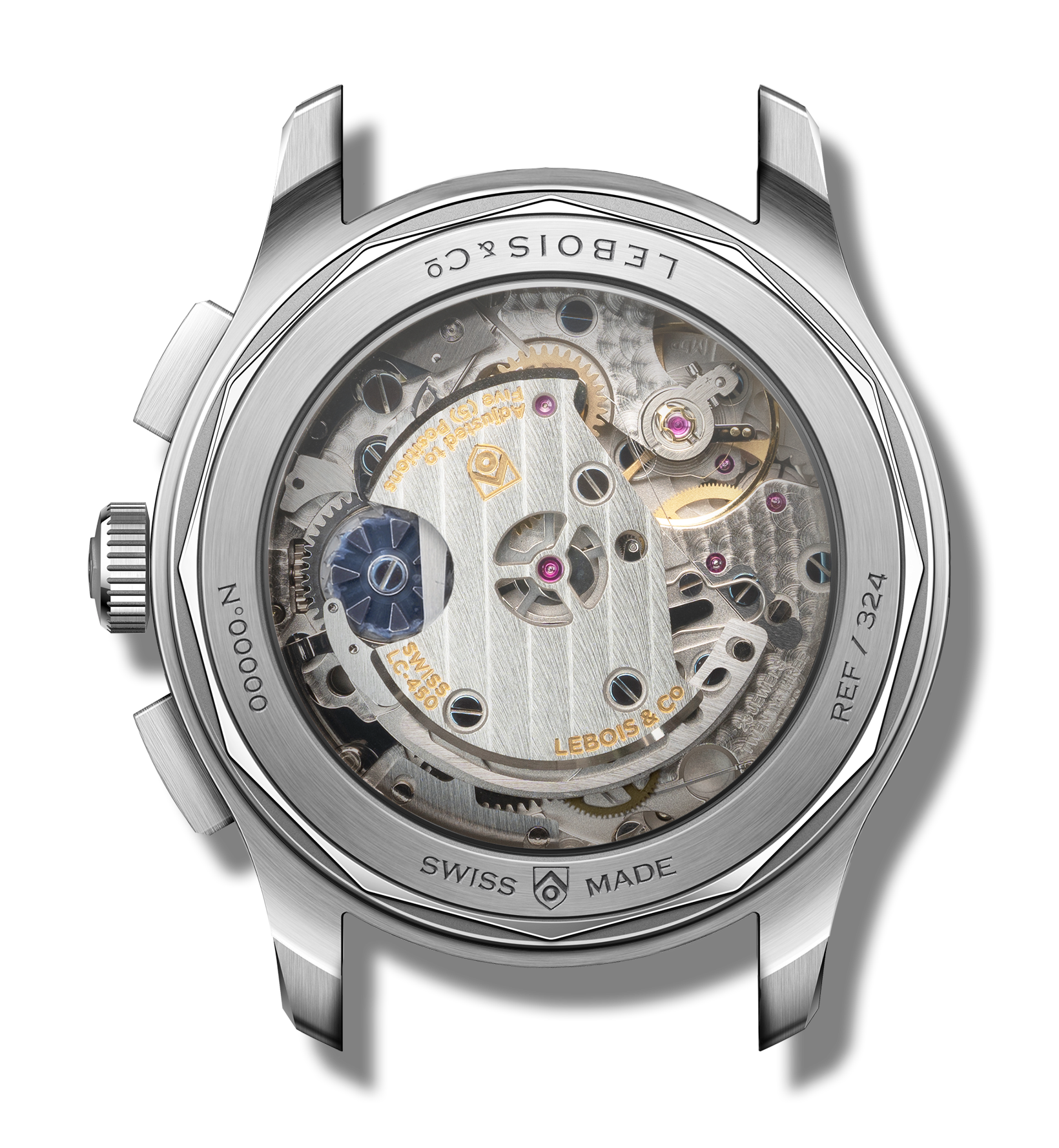
LC-450


MECHANICAL


HAND-WOUND


COLUMN-WHEEL


60 HOURS


28,800 VPH


23


MOVEMENT


TYPE


WINDING


CHRONOGRAPH


POWER RESERVE


VIBRATIONS


JEWELS


LC-450


MECHANICAL


HAND-WOUND


COLUMN-WHEEL


60 HOURS


28,800 VPH


23


In Atelier, Lebois & Co explores the craft-forward side of the Heritage collection: smaller-batch creations where dial artistry leads the story. The Heritage Atelier Chronograph ‘Bleu sur Blanc’ (ref. 324.552) is built around a rare centerpiece: a Swiss Made Grand Feu enamel dial, fired at high temperature to achieve a surface that feels alive, subtly warm, never flat, and constantly shifting with the light. Executed in a three-piece construction with a gently domed enamel main surface, it adds depth that only reveals itself up close.

The palette is deliberately pure. A soft off-white enamel base, positioned between the eggshell nuance of Coquille d’œuf and the brighter white character of earlier enamel executions, sets the stage for deep blue registers that bring contrast, depth, and legibility without breaking the calm. It is “blue on white” in the most literal sense, yet unmistakably Atelier: quiet refinement with collector-grade detail.

Instead of a tachymeter or telemeter, the 324.552 features a decimal scale, a classic, functional choice rooted in mid-century tool chronographs and designed to translate time into decimals. The minute is divided into 100 units around the dial, allowing readings to the hundredth of a minute. It is timing made clear: precise, readable, and purpose-driven.

The result is a chronograph that is not about loud reinvention, but about finish, proportion, and nuance, a watch that rewards a second look, and then a third. This is the Atelier philosophy distilled: traditional technique, modern discipline, and a dial that can only be made by hand.
In Atelier, Lebois & Co explores the craft-forward side of the Heritage collection: smaller-batch creations where dial artistry leads the story. The Heritage Atelier Chronograph ‘Bleu sur Blanc’ (ref. 324.552) is built around a rare centerpiece: a Swiss Made Grand Feu enamel dial, fired at high temperature to achieve a surface that feels alive, subtly warm, never flat, and constantly shifting with the light. Executed in a three-piece construction with a gently domed enamel main surface, it adds depth that only reveals itself up close.

The palette is deliberately pure. A soft off-white enamel base, positioned between the eggshell nuance of Coquille d’œuf and the brighter white character of earlier enamel executions, sets the stage for deep blue registers that bring contrast, depth, and legibility without breaking the calm. It is “blue on white” in the most literal sense, yet unmistakably Atelier: quiet refinement with collector-grade detail.

Instead of a tachymeter or telemeter, the 324.552 features a decimal scale, a classic, functional choice rooted in mid-century tool chronographs and designed to translate time into decimals. The minute is divided into 100 units around the dial, allowing readings to the hundredth of a minute. It is timing made clear: precise, readable, and purpose-driven.

The result is a chronograph that is not about loud reinvention, but about finish, proportion, and nuance, a watch that rewards a second look, and then a third. This is the Atelier philosophy distilled: traditional technique, modern discipline, and a dial that can only be made by hand.

MATERIAL


DIAMETER


THICKNESS


CASEBACK


CRYSTALS


LUG-TO-LUG


LUG WIDTH


WATER RESISTANCE


316L STAINLESS STEEL


39 MM


10,9 MM / 14,3 MM


SCREWED DOWN


DOUBLE DOMED SAPPHIRE


47,35 MM


20 MM


5 ATM / 50 M


MATERIAL


DIAMETER


THICKNESS


CASEBACK


CRYSTALS


LUG-TO-LUG


LUG WIDTH


WATER RESISTANCE


316L STAINLESS STEEL


39 MM


14,3 MM (10,9 MM W/O CRYSTAL)


SCREWED DOWN


DOUBLE DOMED SAPPHIRE WITH AR COATING INSIDE


47,35 MM


20 MM


5 ATM / 50 M


CALIBER


TYPE


WINDING


CHRONOGRAPH


POWER RESERVE


VIBRATIONS


JEWELS


LC-450


MECHANICAL


HAND-WOUND


COLUMN-WHEEL


60 HOURS


28,800 VPH


23


MOVEMENT


TYPE


WINDING


CHRONOGRAPH


POWER RESERVE


VIBRATIONS


JEWELS


LC-450


MECHANICAL


HAND-WOUND


COLUMN-WHEEL


60 HOURS


28,800 VPH


23


A Journey into Enamel

Behind every enamel dial lies a process shaped by patience, fire, and unforgiving precision. From raw copper to luminous Grand Feu, this photo series documents each stage of the creation — revealing what it truly takes to transform elemental materials into a timeless watch dial. Each step is handcrafted in Switzerland by master artisans. No shortcuts. No second chances. Only the flawless remain.

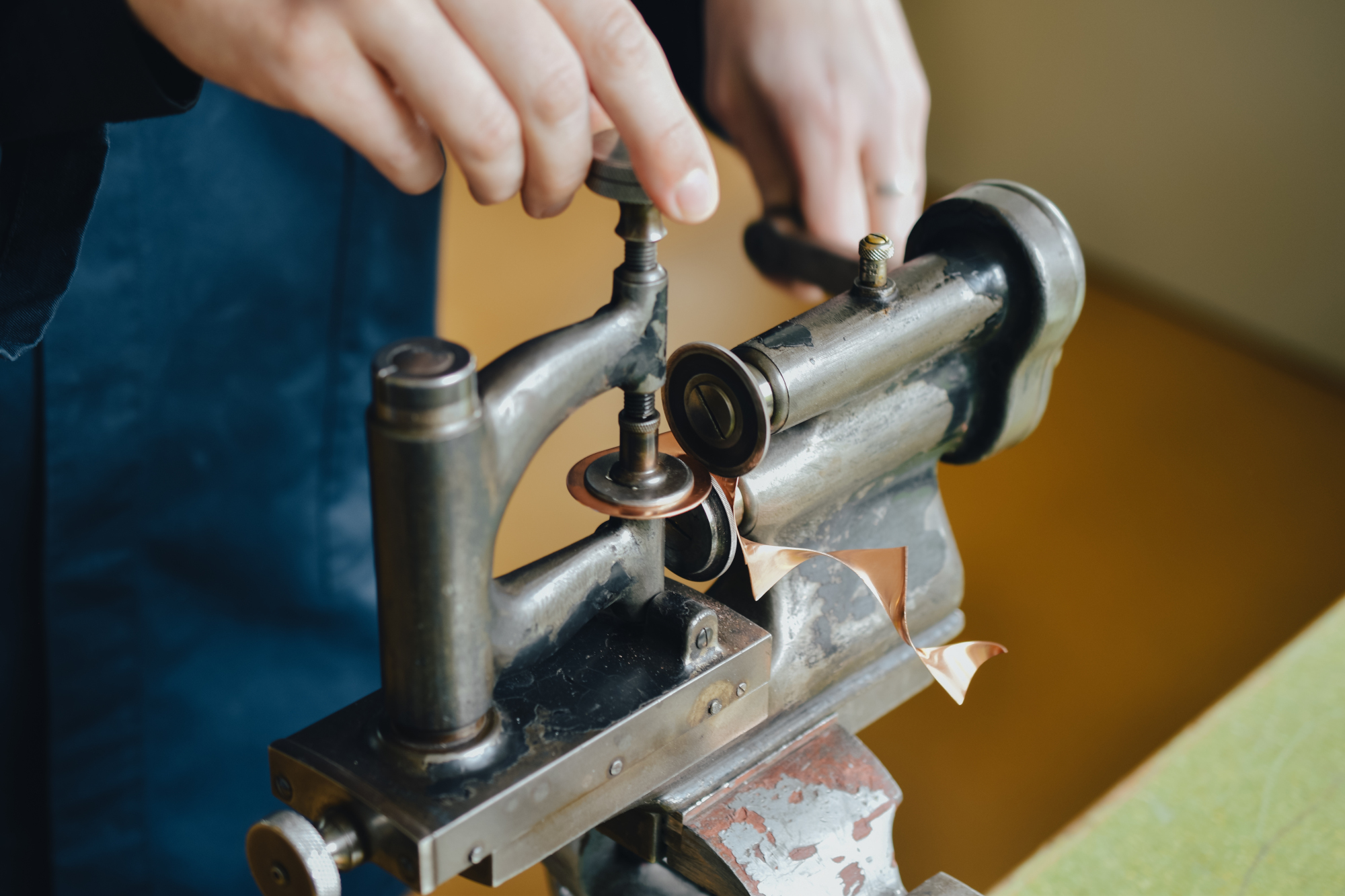
The base takes shape

A thin copper disc is cut and formed to match the dial’s exact curvature. This blank will carry not only layers of enamel, but the weight of precision.

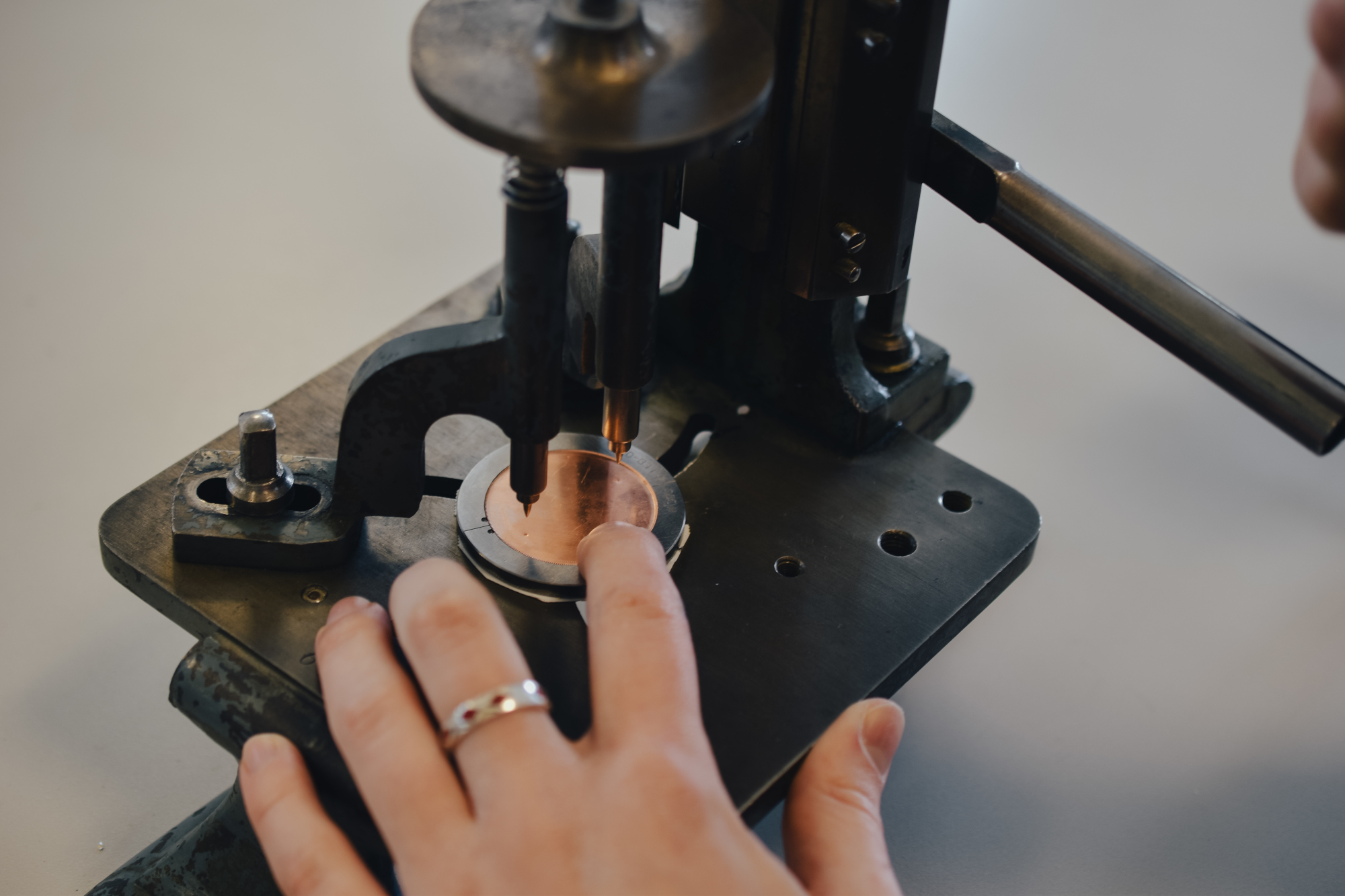
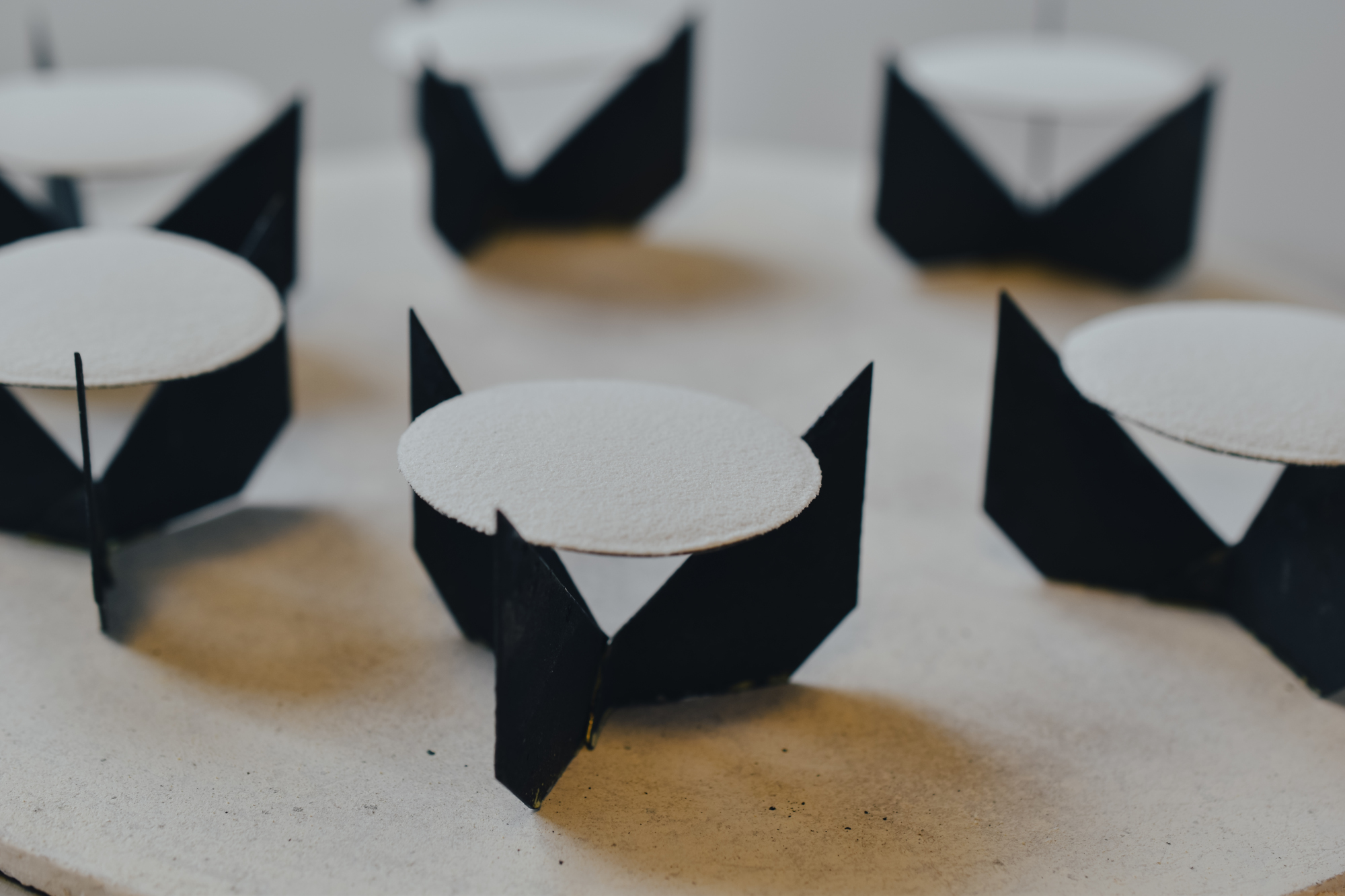
Anchored by hand

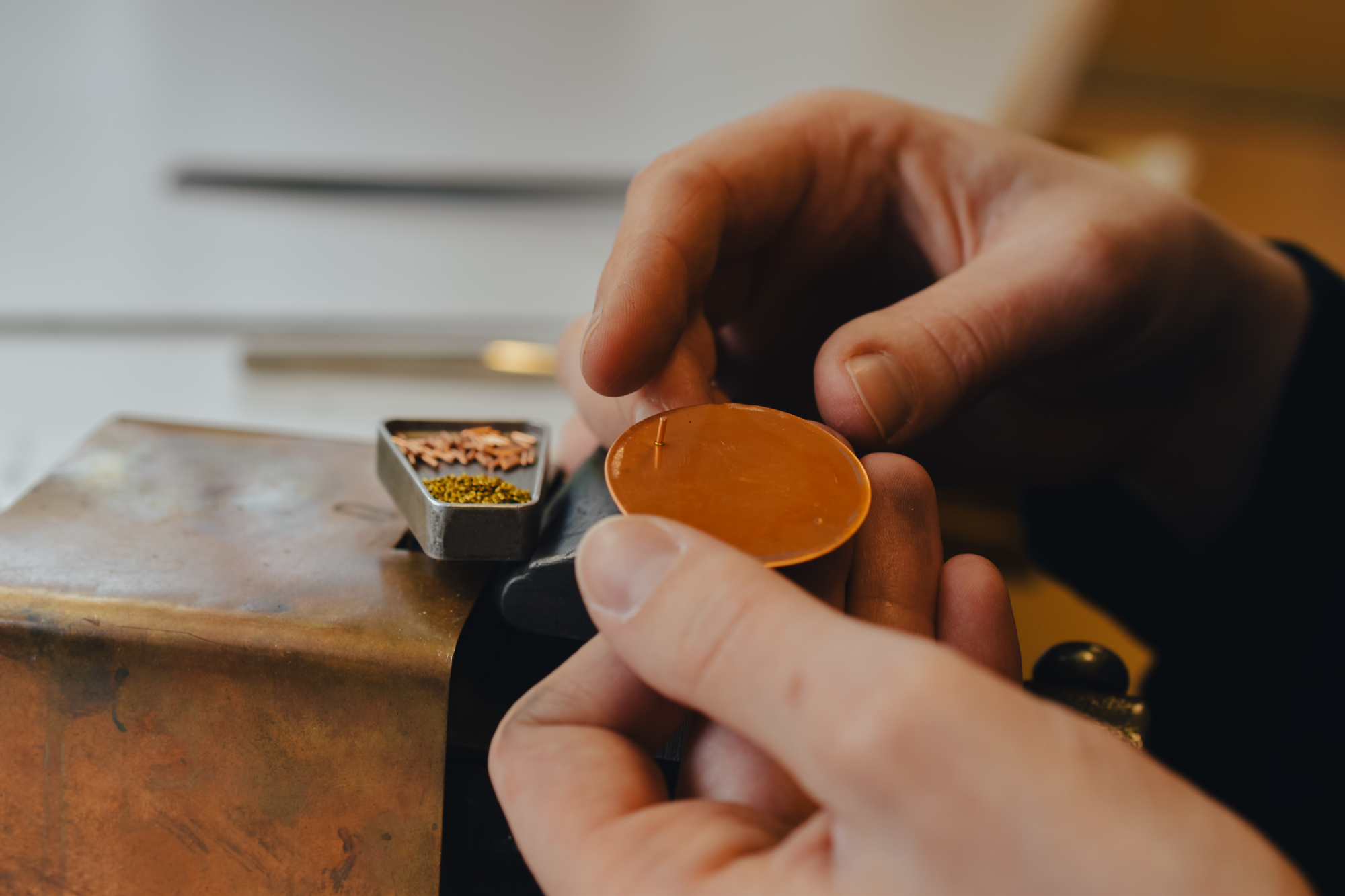
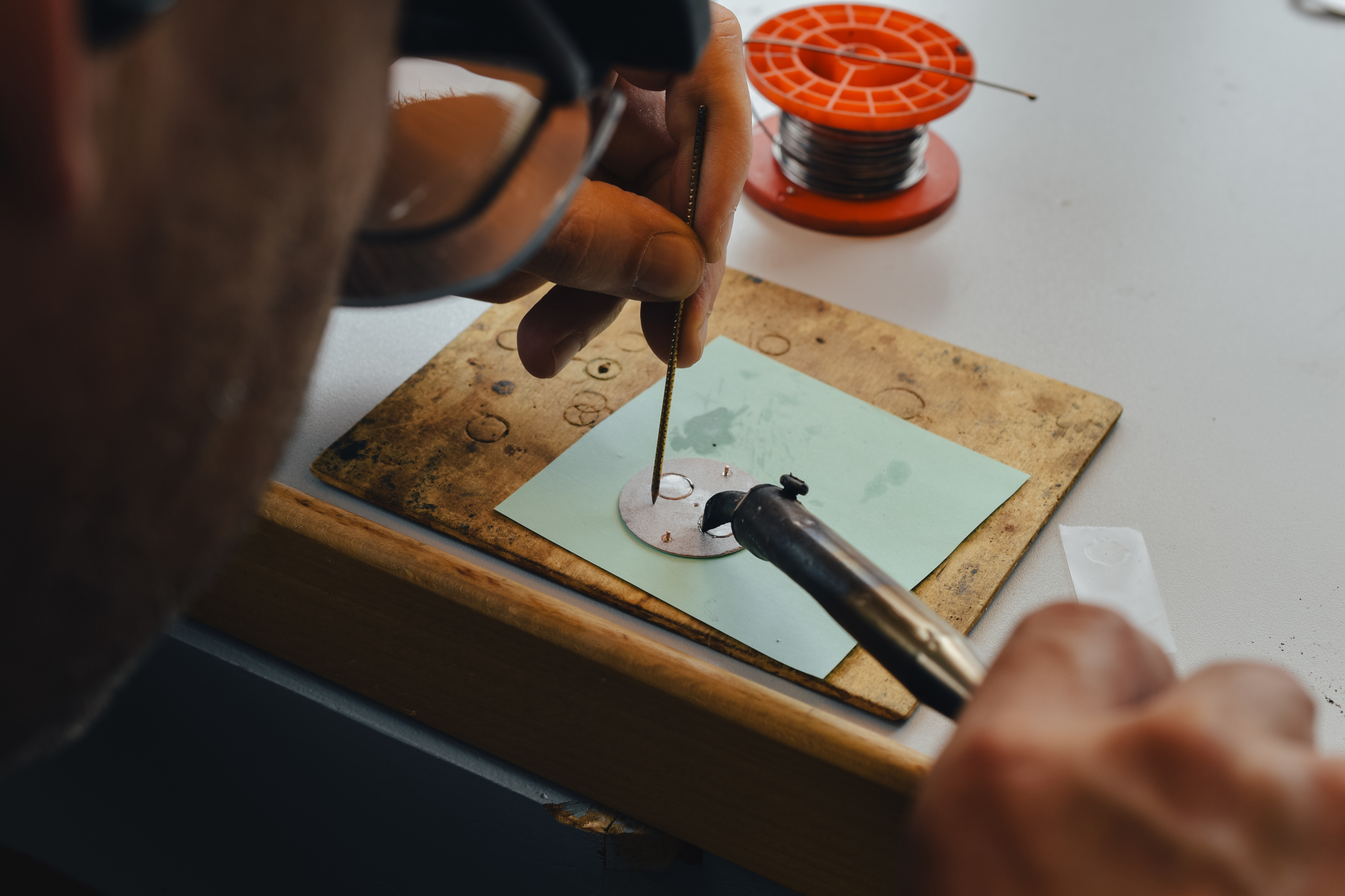
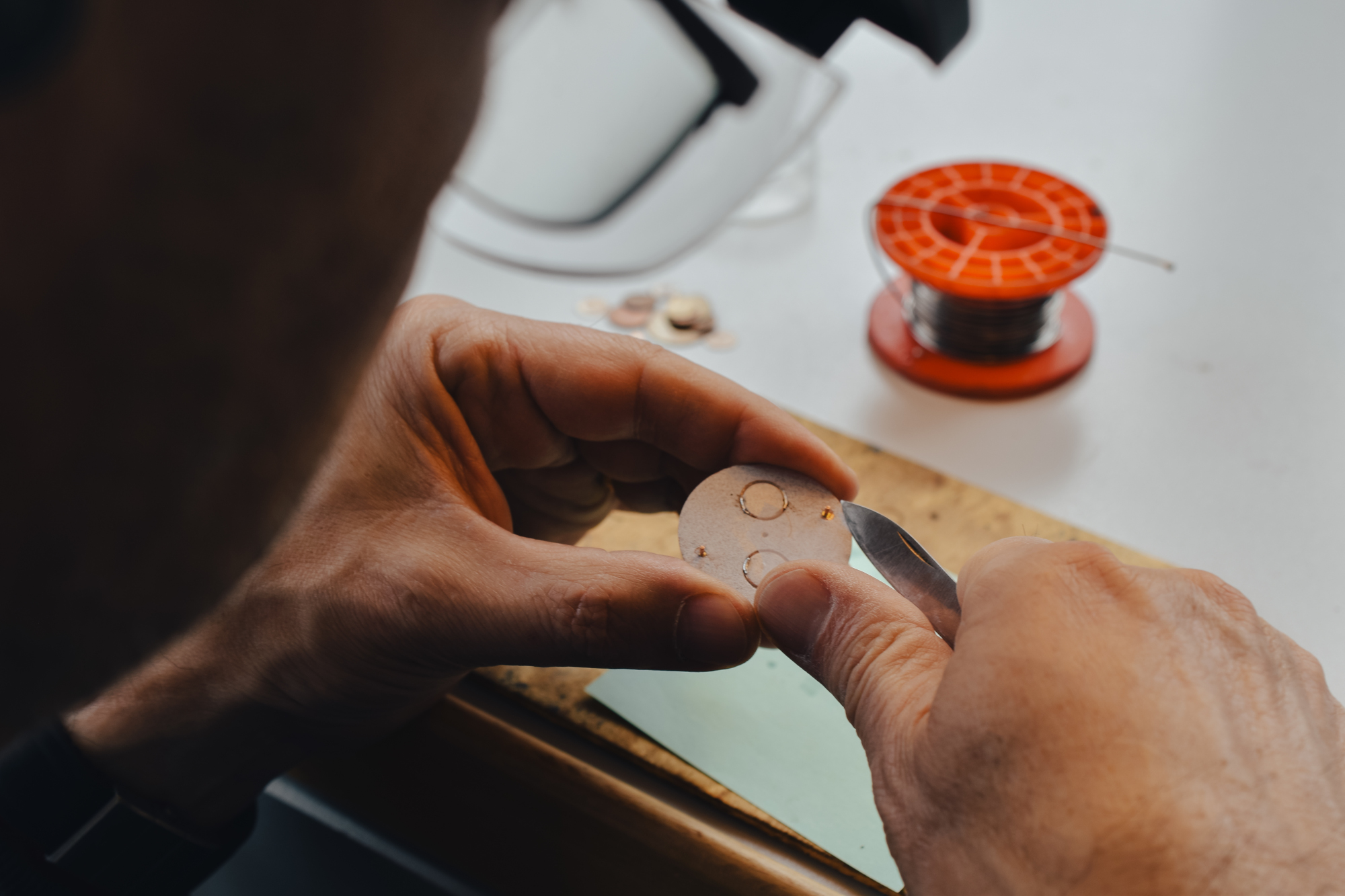
Two small copper feet are manually pinned and soldered in place. They allow the finished dial to mount perfectly to the movement — misalignment is not an option.

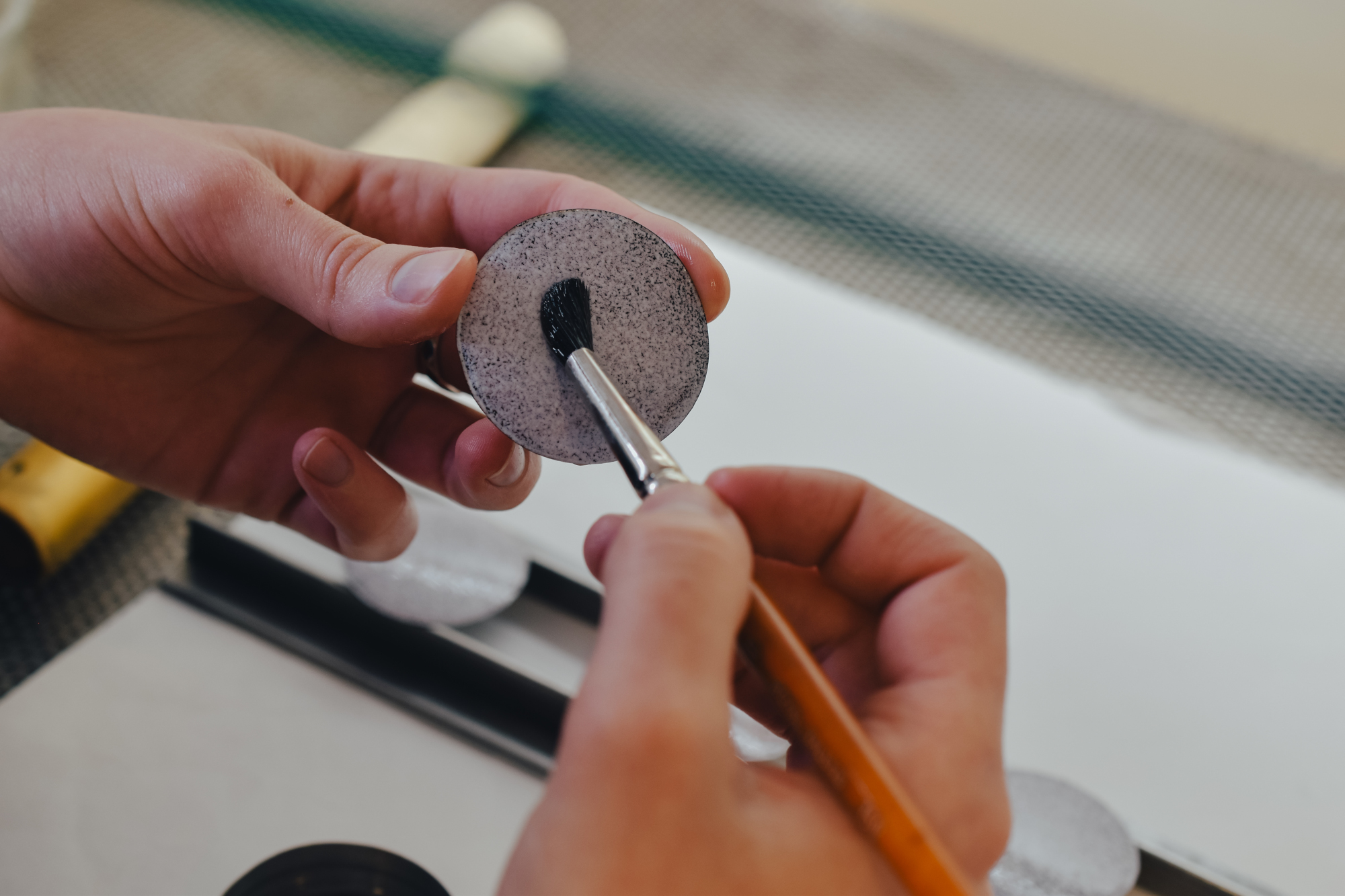
Purified by hand

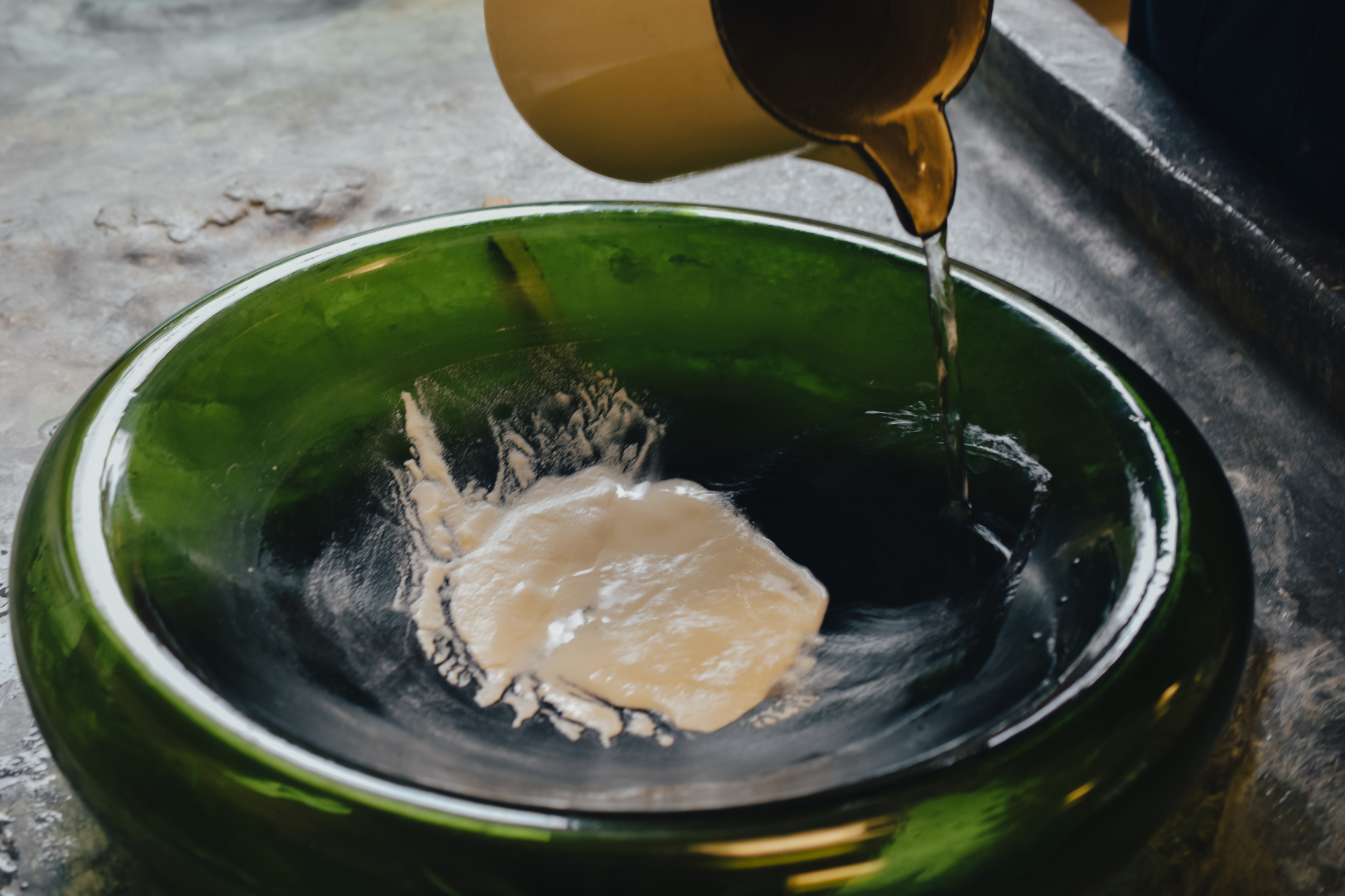
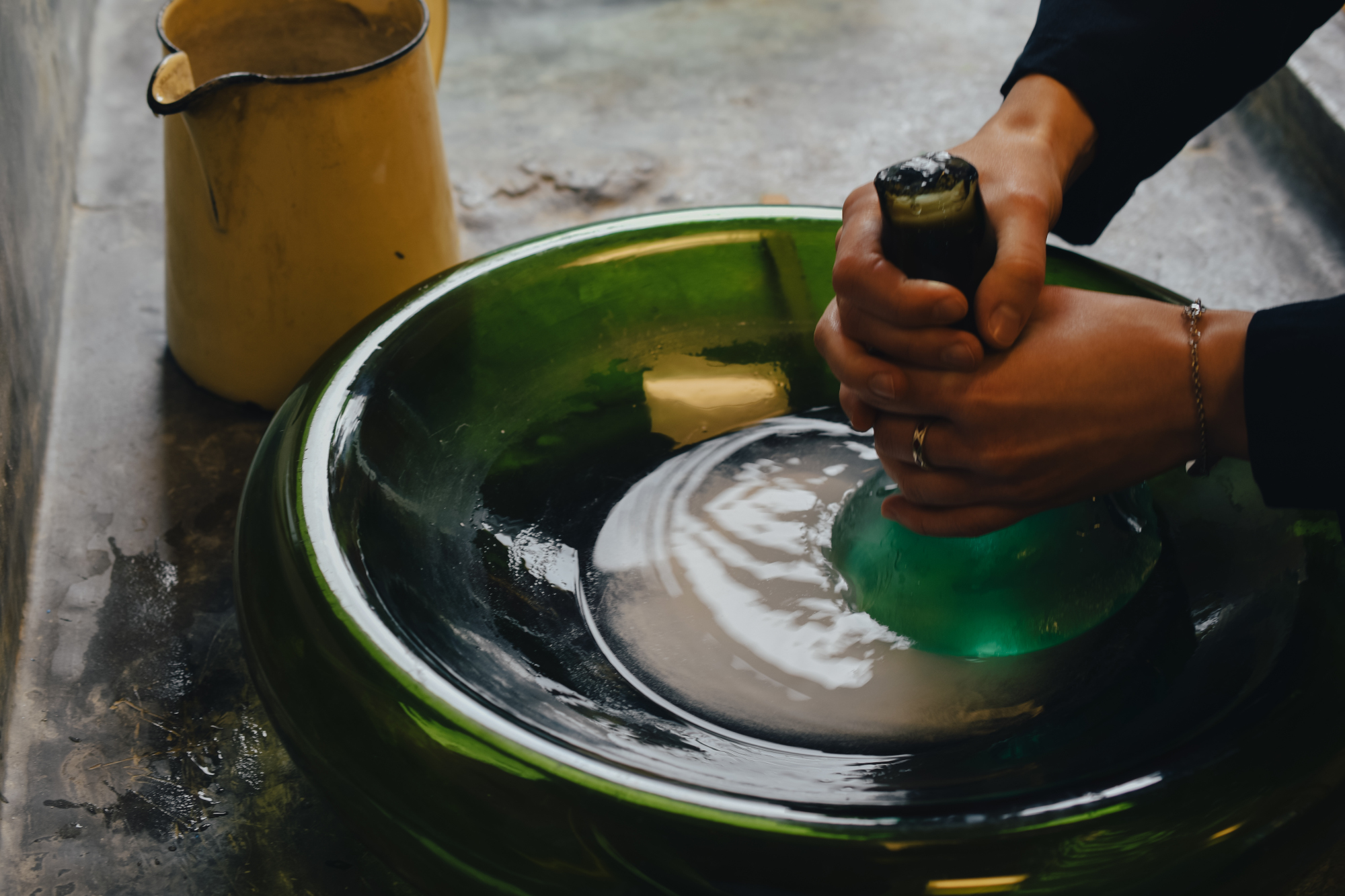
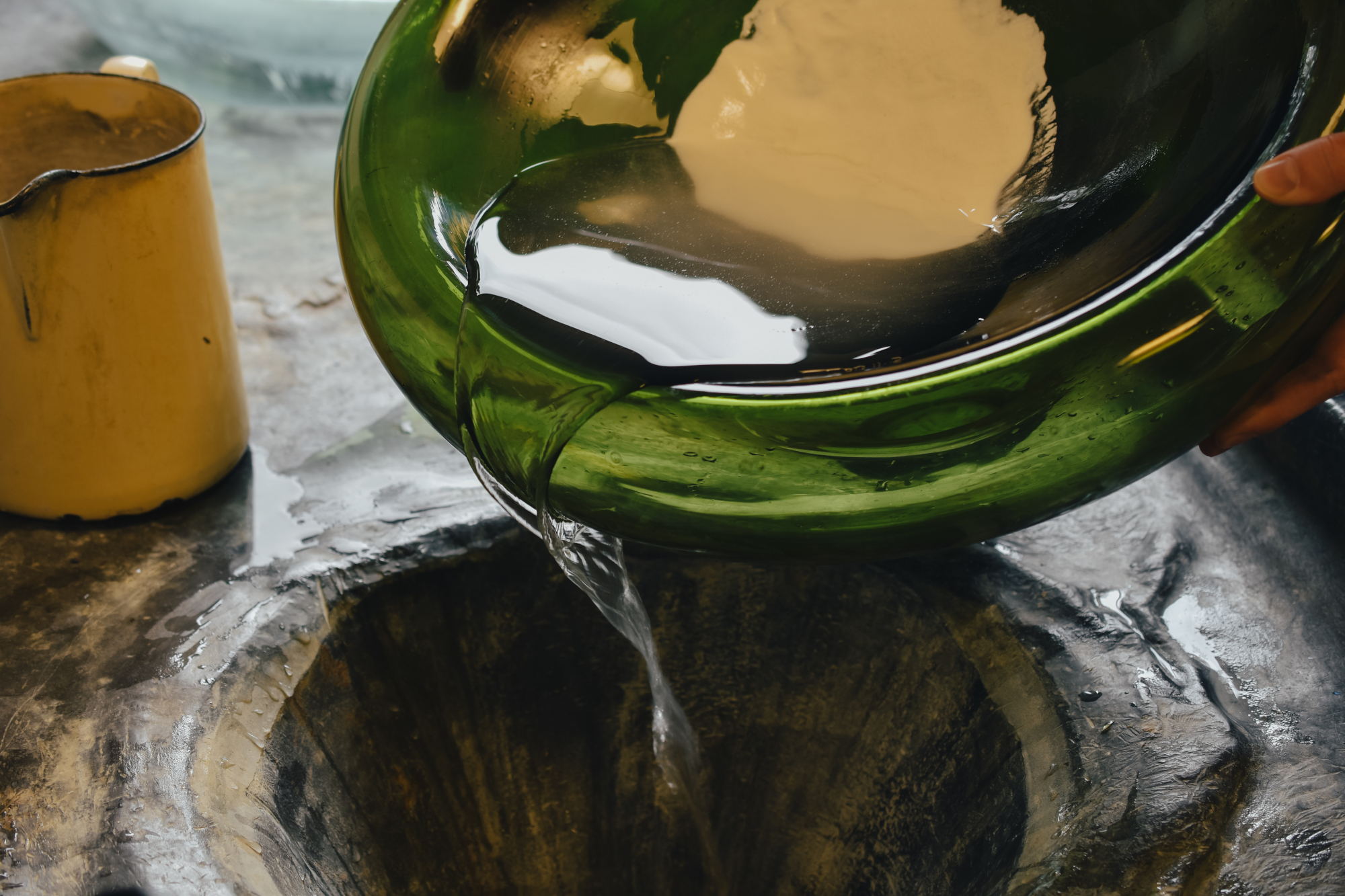
The raw enamel powder — made from crushed mineral glass — is ground and washed in water to remove impurities. This slow, tactile process ensures a clean, even surface after firing.

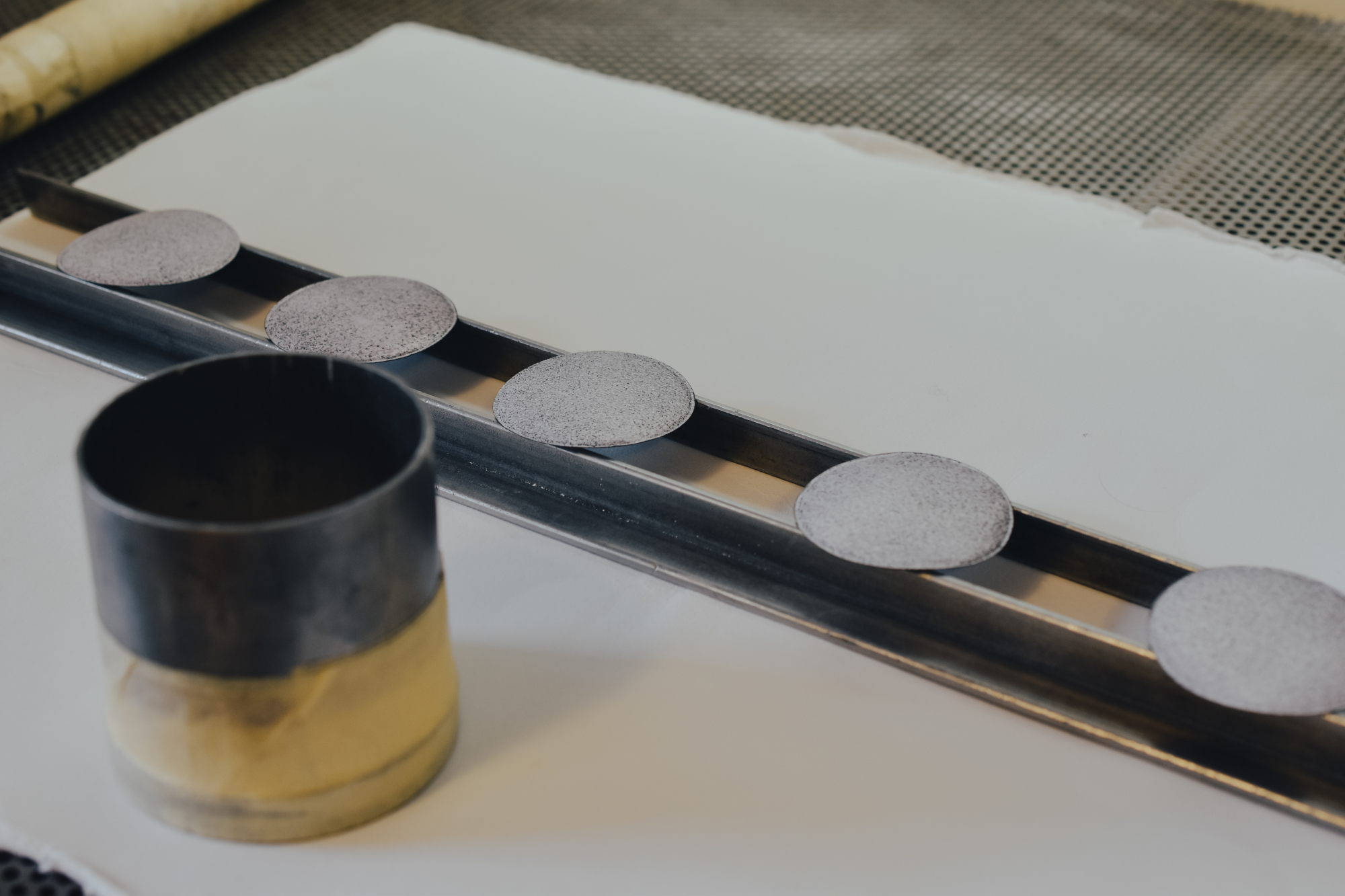
The first coat

A thin layer of enamel is applied to both sides of the dial. This isn’t aesthetic — it balances internal tension during firing. Enamelling on both sides is essential for stability.

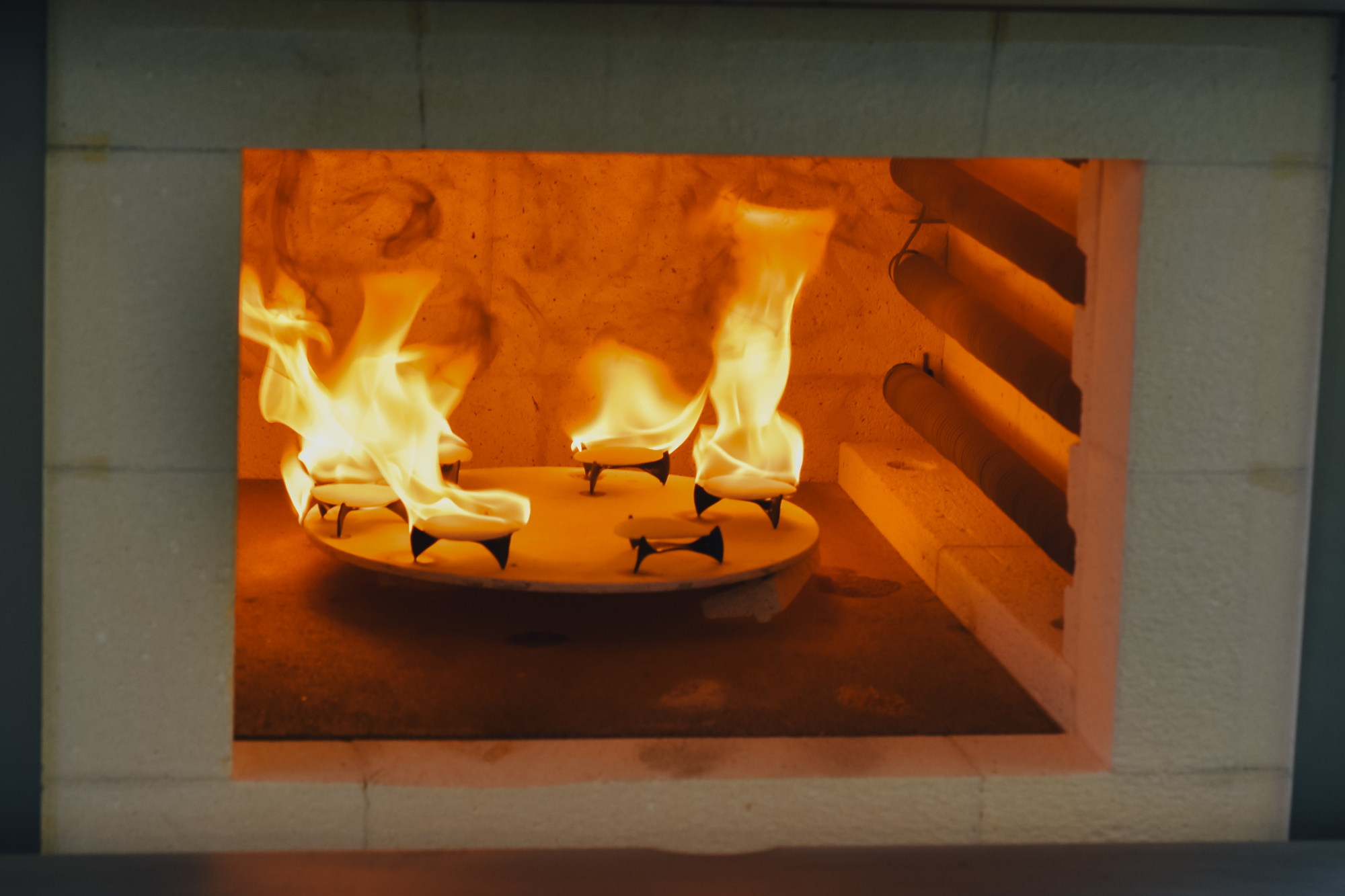
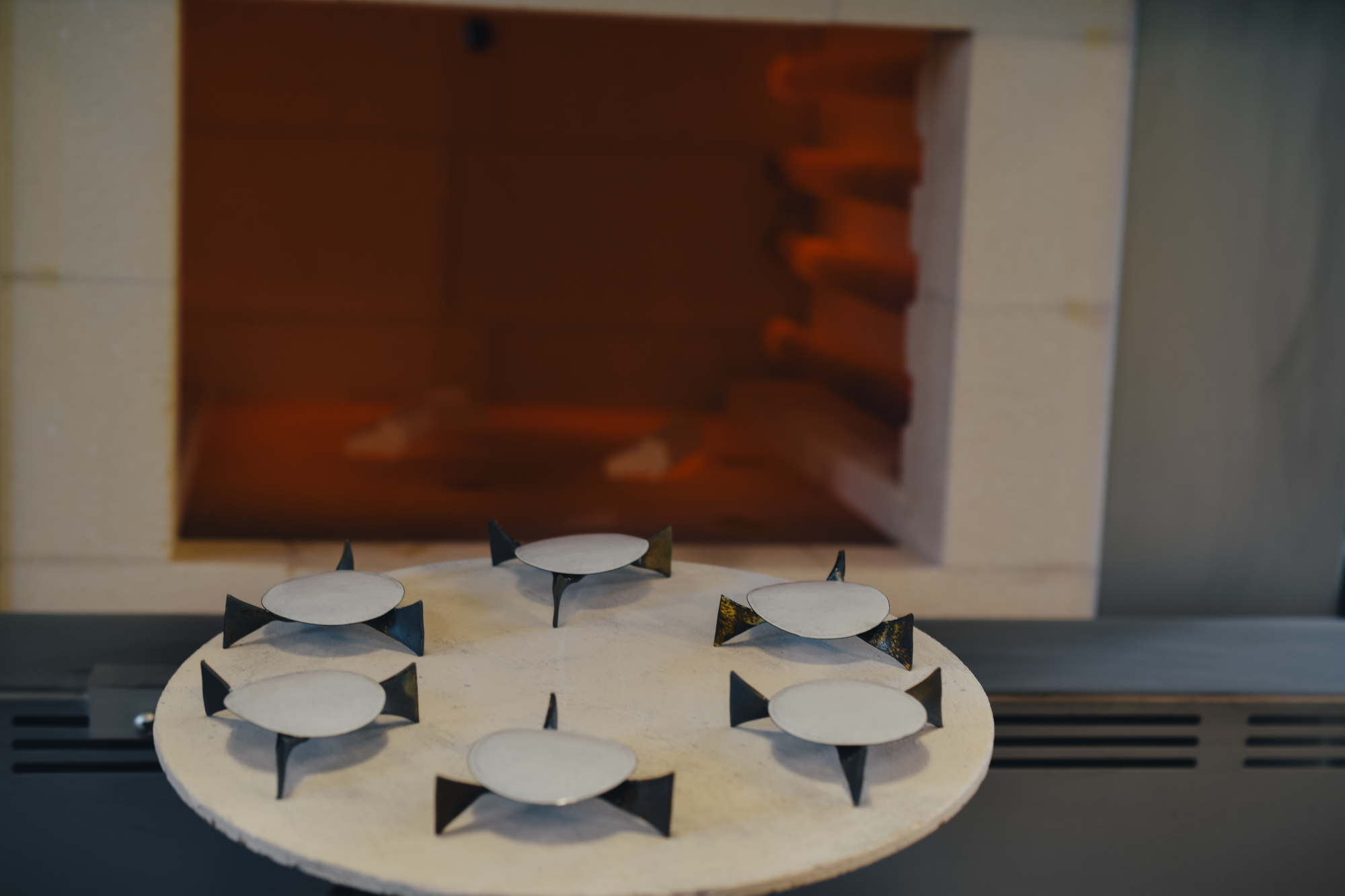
Fired at 800°C

The dial enters the kiln. At this stage, it's just enamel powder on copper — but under intense heat, glass begins to fuse, and the surface gains depth. Most dials don't survive the first few firings.

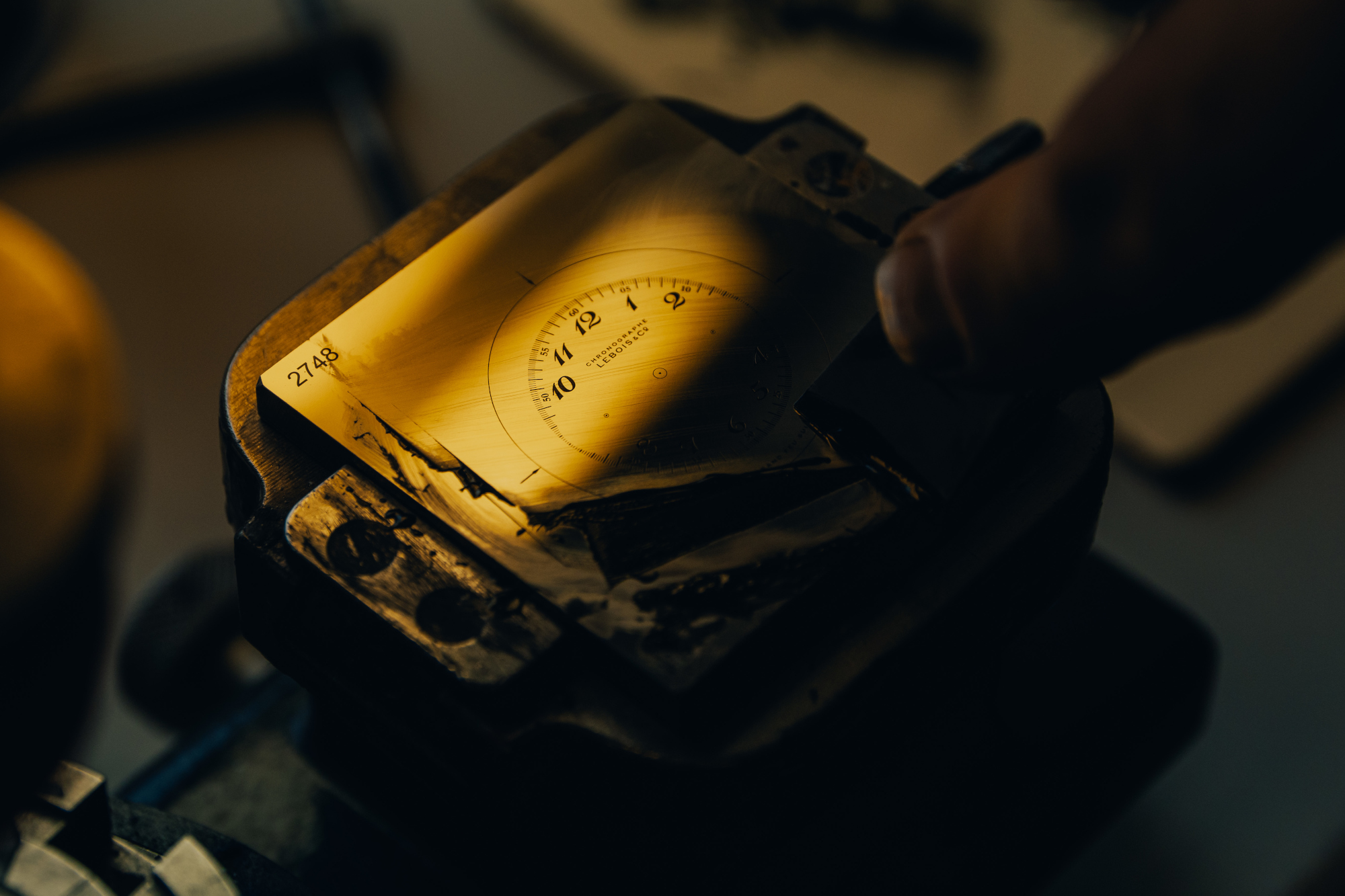
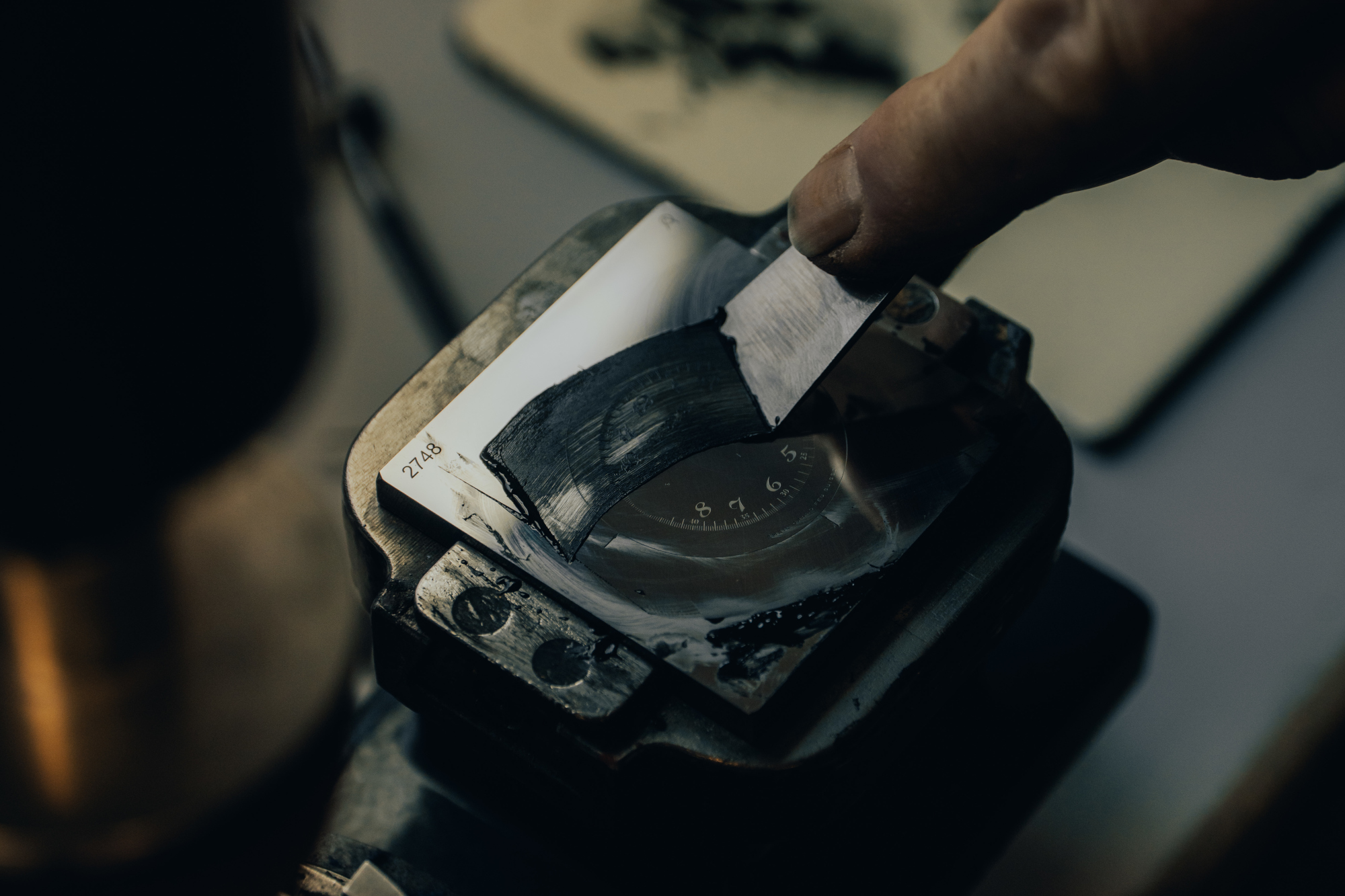
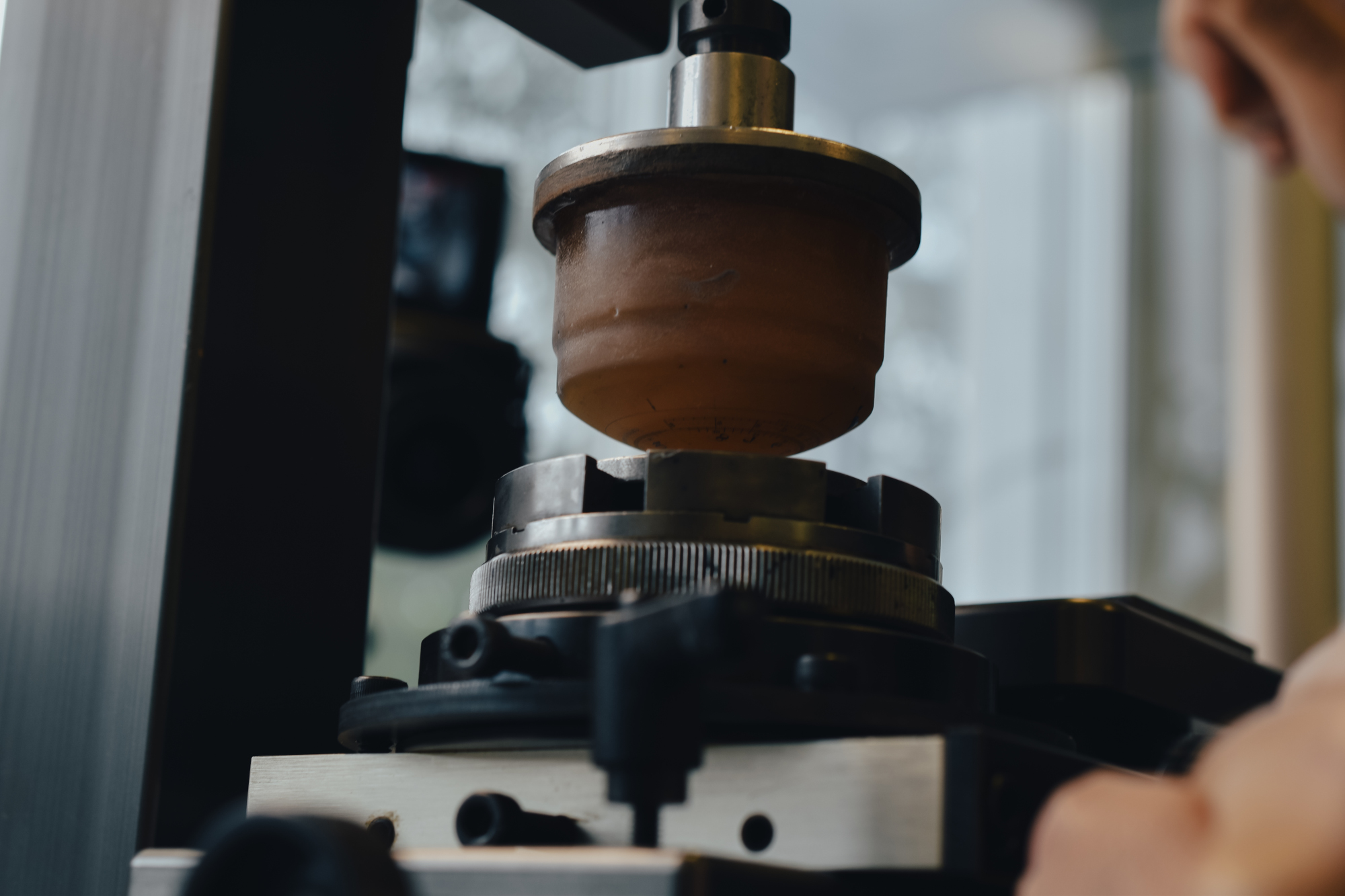
Printed, layer by layer

Each colour is applied individually using enamel-based inks, pad-printed with extreme precision onto the curved surface of the dial. Once printed, the dial returns to the kiln, where the graphics are fired at high temperature to permanently fuse them into the enamel itself.

On such a multi-level, curved enamel surface, any misalignment — even a fraction — means the dial must be rejected.
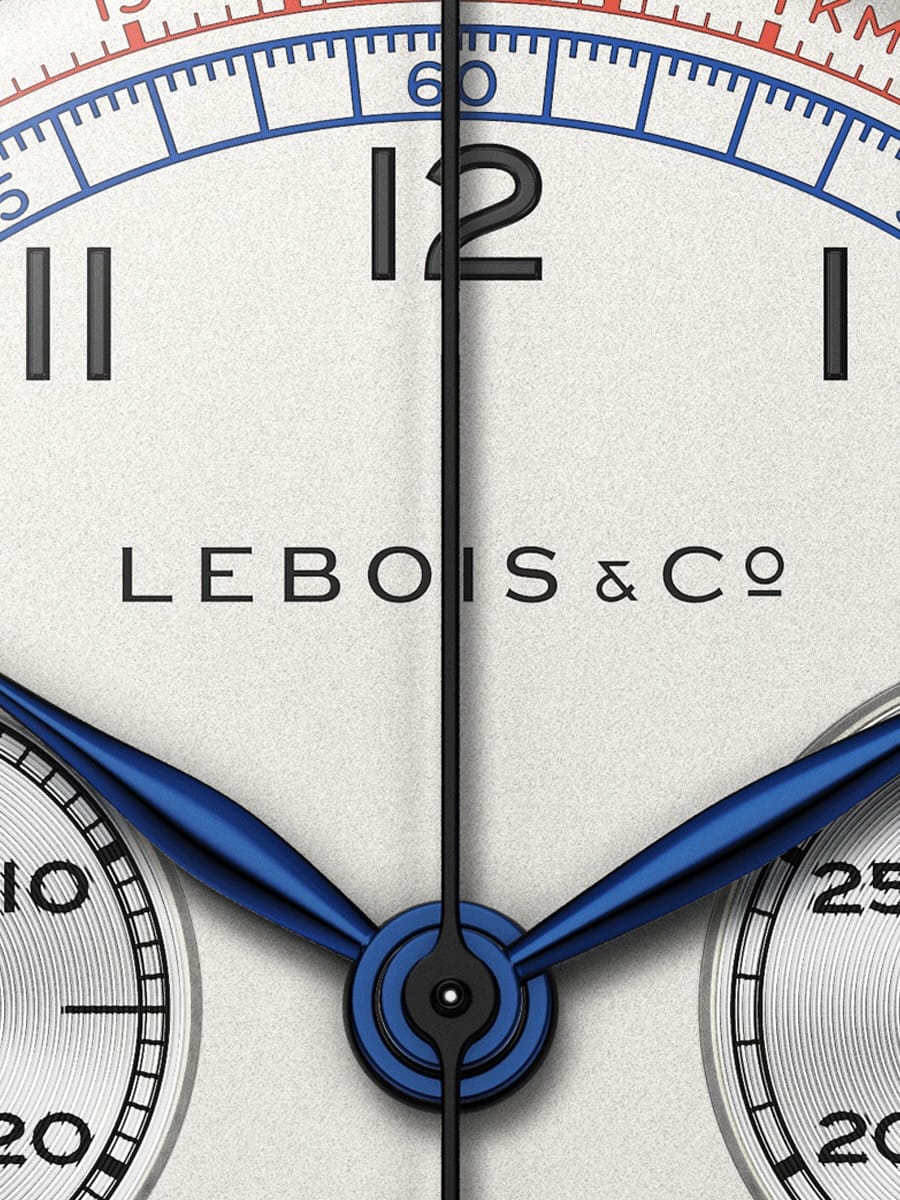
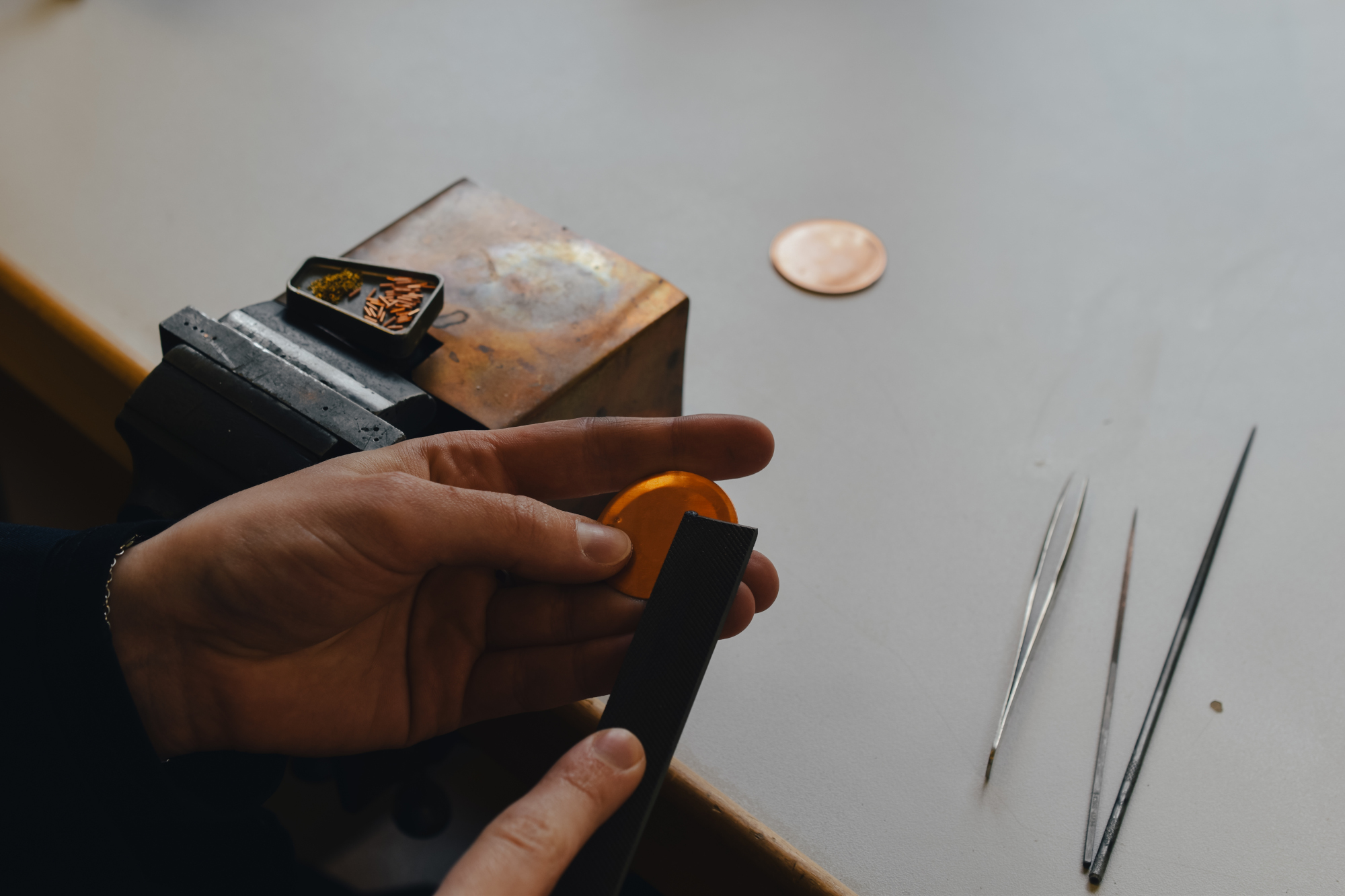
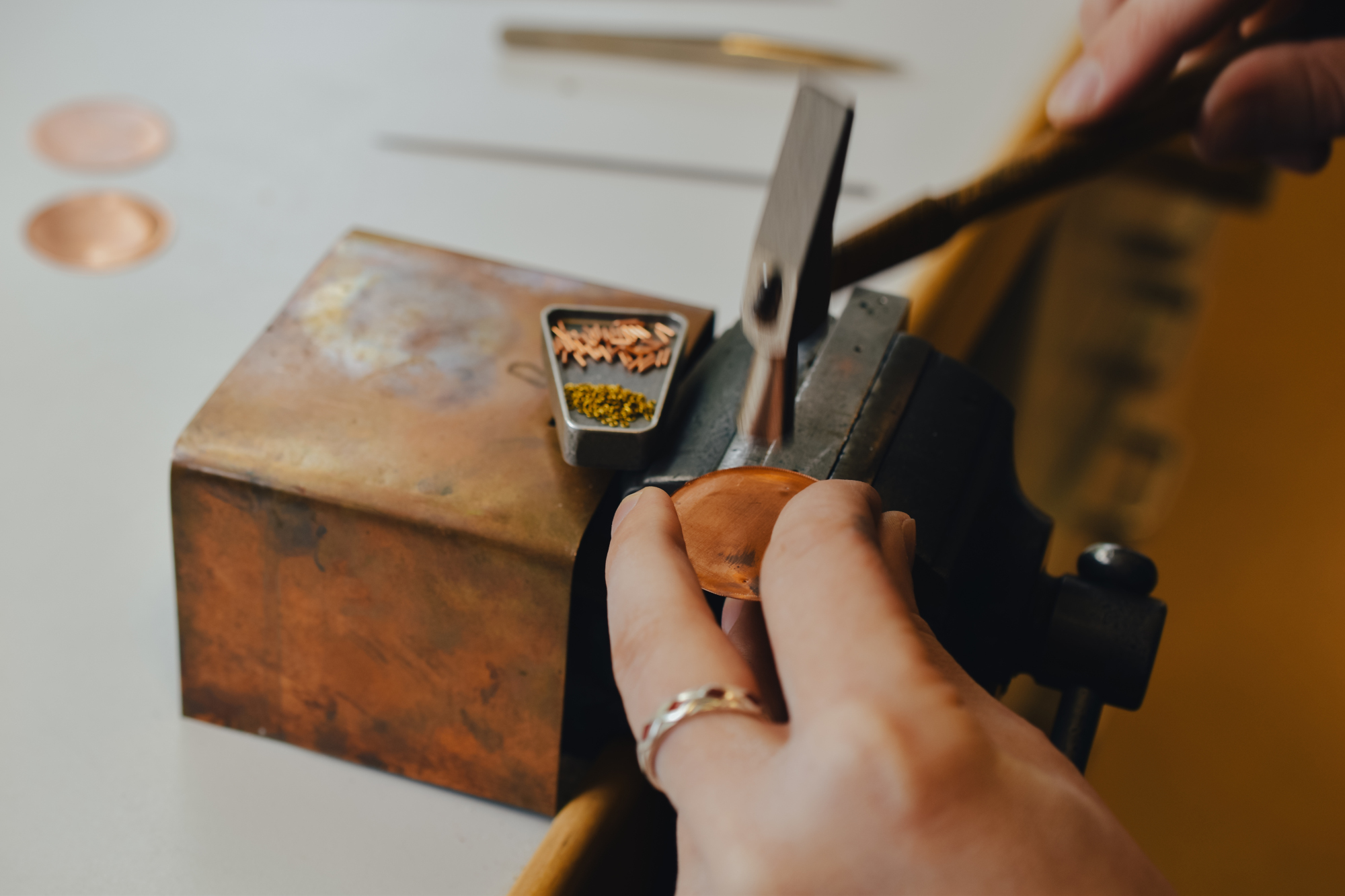
Three parts, one dial

This dial isn’t a single piece. The subdials are produced separately, then set into place and filed flush. The result: perfect integration, made invisible by skill.
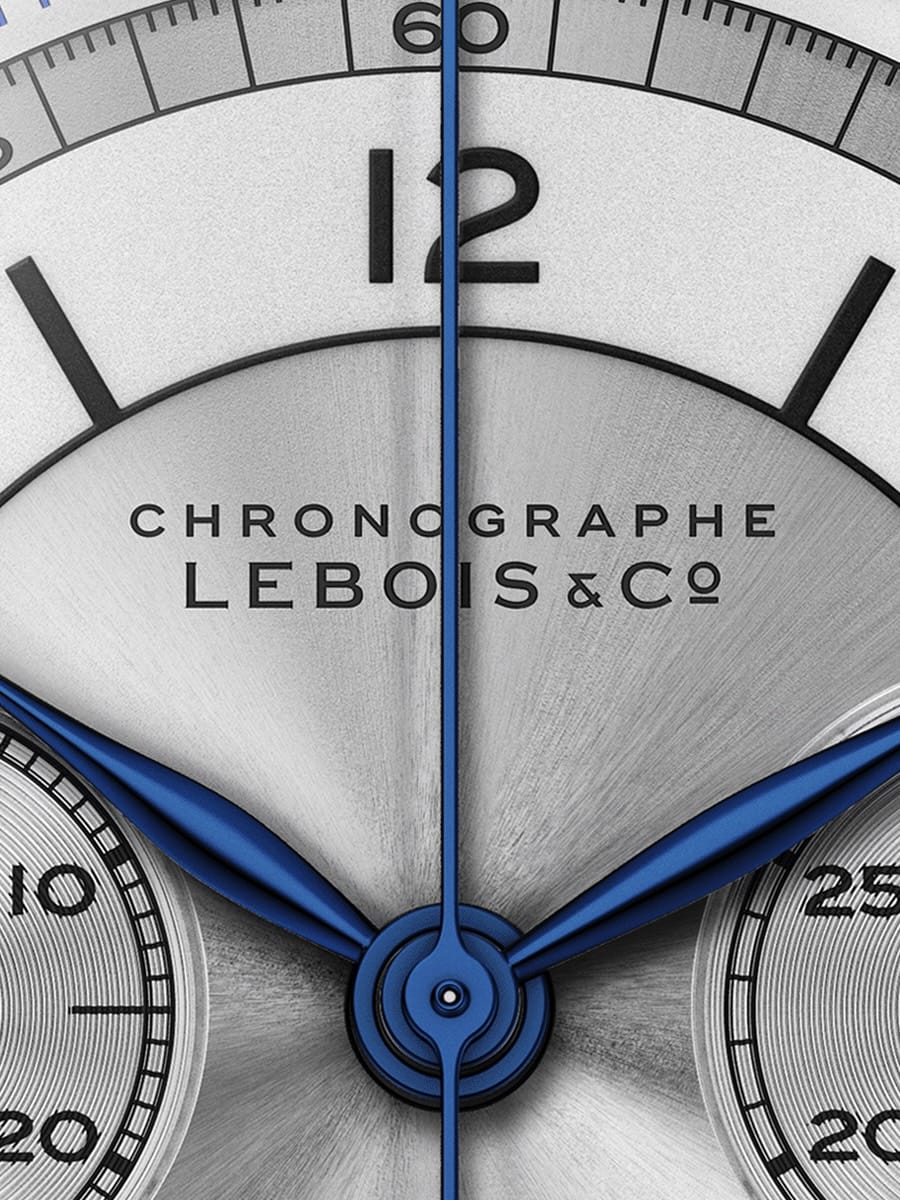
Only the flawless remain

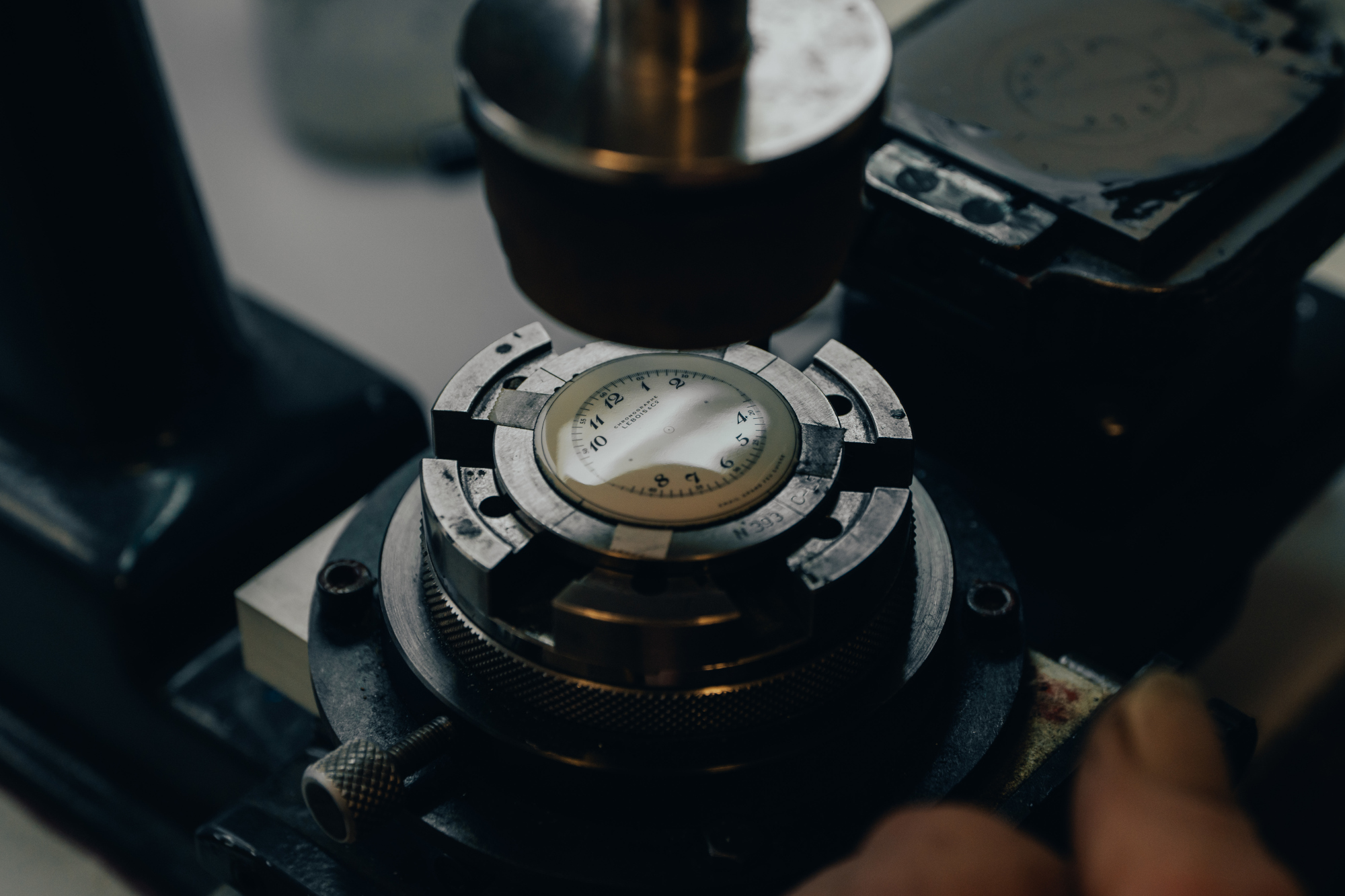
After the final firing, each dial is checked under magnification and projection. Print tension, shape, and enamel consistency must be perfect — or it's rejected.

The final surface

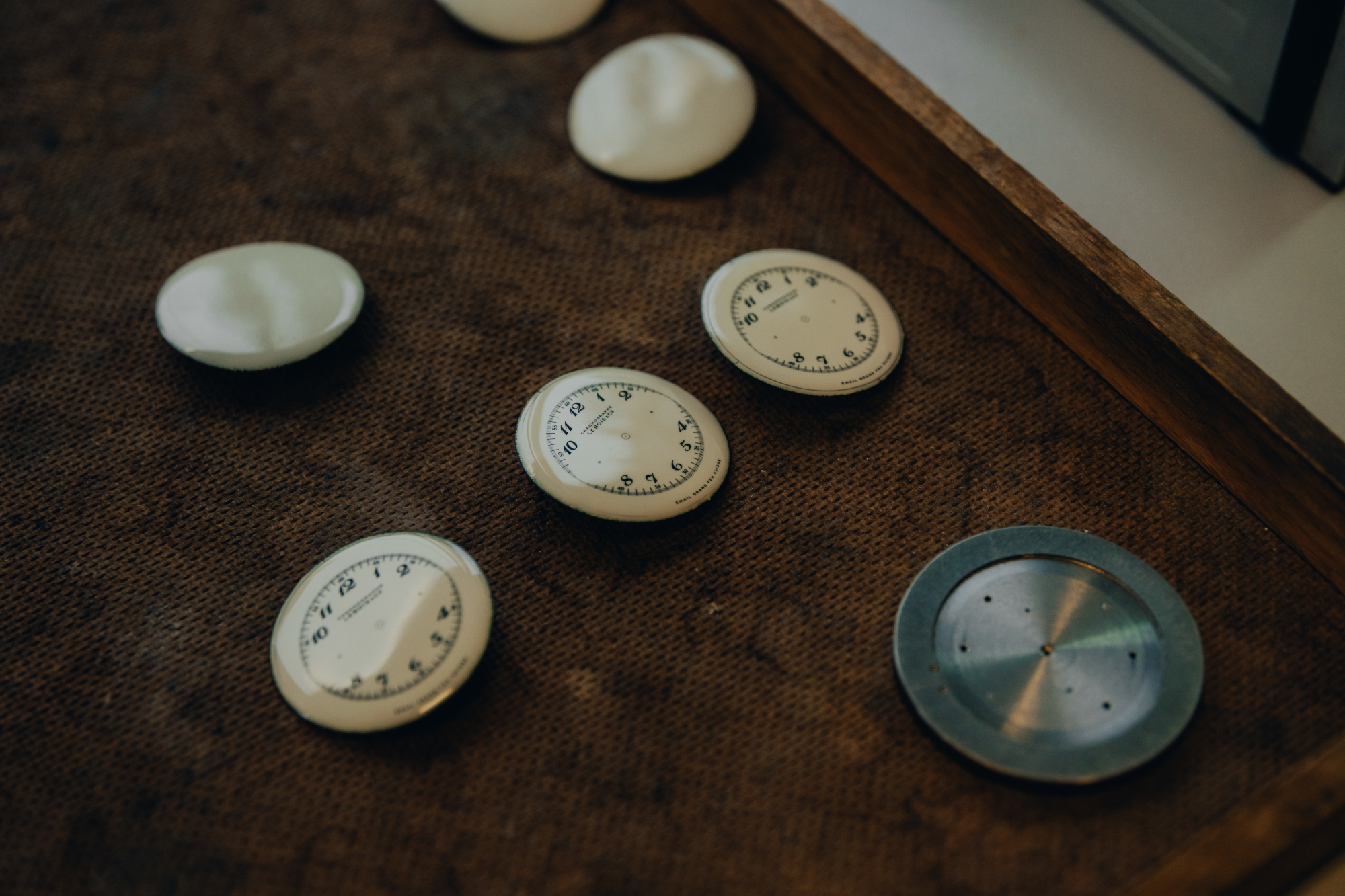
The result: a luminous, tension-free dial, deep in tone and rich in character. From copper to color, every step leaves its mark — even the invisible ones.

A Journey into Enamel

Behind every enamel dial lies a process shaped by patience, fire, and unforgiving precision. From raw copper to luminous Grand Feu, this photo series documents each stage of the creation — revealing what it truly takes to transform elemental materials into a timeless watch dial. Each step is handcrafted in Switzerland by master artisans. No shortcuts. No second chances. Only the flawless remain.

The base takes shape

A thin copper disc is cut and formed to match the dial’s exact curvature. This blank will carry not only layers of enamel, but the weight of precision.

Anchored by hand

Two small copper feet are manually pinned and soldered in place. They allow the finished dial to mount perfectly to the movement — misalignment is not an option.

Purified by hand

The raw enamel powder — made from crushed mineral glass — is ground and washed in water to remove impurities. This slow, tactile process ensures a clean, even surface after firing.

The first coat

A thin layer of enamel is applied to both sides of the dial. This isn’t aesthetic — it balances internal tension during firing. Enamelling on both sides is essential for stability.

Fired at 800°C

The dial enters the kiln. At this stage, it's just enamel powder on copper — but under intense heat, glass begins to fuse, and the surface gains depth. Most dials don't survive the first few firings.

Printed, layer by layer

Each colour is applied individually using enamel-based inks, pad-printed with extreme precision onto the curved surface of the dial. Once printed, the dial returns to the kiln, where the graphics are fired at high temperature to permanently fuse them into the enamel itself.

On such a multi-level, curved enamel surface, any misalignment — even a fraction — means the dial must be rejected.

Three parts, one dial

This dial isn’t a single piece. The subdials are produced separately, then set into place and filed flush. The result: perfect integration, made invisible by skill.

Only the flawless remain

After the final firing, each dial is checked under magnification and projection. Print tension, shape, and enamel consistency must be perfect — or it's rejected.

The final surface

The result: a luminous, tension-free dial, deep in tone and rich in character. From copper to color, every step leaves its mark — even the invisible ones.

Availability

This timepiece will be offered via pre-order, produced in limited numbers in 2026 only, subject to availability. Orders open 14 April.

YOU MAY ALSO LIKE

YOU MAY ALSO LIKE